Heavy · Creamy avocado
1 whole avocado + 2–3 tbsp [30–45 mL] avocado oil + white vinegar to taste.
Modeled with 130–200 g edible avocado. White vinegar to taste is excluded from this approximate range.
Real meals from the journal: protein-first, whole foods. The historical plan listed 252 g protein and 69 g fat; whole-day intake is unverified.
1 whole avocado + 2–3 tbsp [30–45 mL] avocado oil + white vinegar to taste.
Modeled with 130–200 g edible avocado. White vinegar to taste is excluded from this approximate range.
4–5 tbsp [60–75 mL] virgin olive oil + 4–5 tbsp [60–75 mL] balsamic glaze + approximately 120 mL white wine vinegar.
Glaze uses a provisional 7–12 g carbohydrate per tablespoon; its label is needed to refine the estimate. “Light” describes texture, not fewer calories.
Prepared versus eaten: totals include the whole prepared dressing batch. Liquid left at the bottom means actual intake is lower by an unknown amount; oil separation prevents a reliable calorie deduction from liquid volume alone.
All photos use a 15-inch mixing bowl. Ingredient weights are estimated because fill depth and composition vary.
Portion rules: 4 eggs in an egg-led bowl without legumes · 2 eggs with mixed beans and lupini · 1 whole can of beans with tuna when eggs and lupini are absent.
Estimated ranges · full bowl + prepared dressing · open a card for ingredient assumptions. Unidentified protein toppings are excluded rather than assigned a guessed species.
Representative food coefficients are rounded generic values; assumed portions are listed in each card. Salad totals are estimates, not values measured from the photo or personalized targets. Egg-led recipes use four eggs (about 200 g edible); mixed-bean and lupini recipes use two eggs (about 100 g). Tuna-and-bean versions without eggs or lupini use one whole can of beans. Drained can weight is provisionally 240–360 g until the label is supplied.
Sodium depends on feta, olives, pickled beets, canned foods and seasonings. Labels are required for numerical sodium, sugar, saturated fat and micronutrient totals.
USDA FoodData Central · Health Canada food composition referenceCups and spoons stay in the recipe; brackets add metric equivalents. General recipe displays use the Canadian metric cup: 1 cup [250 mL] · 1 tbsp [15 mL] · 1 tsp [5 mL]. The Mega Salad calculator retains its published 240 mL cup basis and existing ingredient-weight assumptions.
A US cup is 236.6 mL, so check your cup rather than treating cup sizes as identical. Millilitres measure volume; grams depend on the ingredient and packing. Soaked chia volume does not establish dry seed weight. A scoop has no universal gram weight. Listed powder weights are label equivalents; historical batches remain unweighed unless their record says otherwise.
Sources: Health Canada household measures · Neilson 250 mL cup · Hexapro label: 1 scoop / 44 g. A marker ≈ means the displayed result is rounded or a label-based estimate.
Nutrition figures retain their original serving basis and caption source.
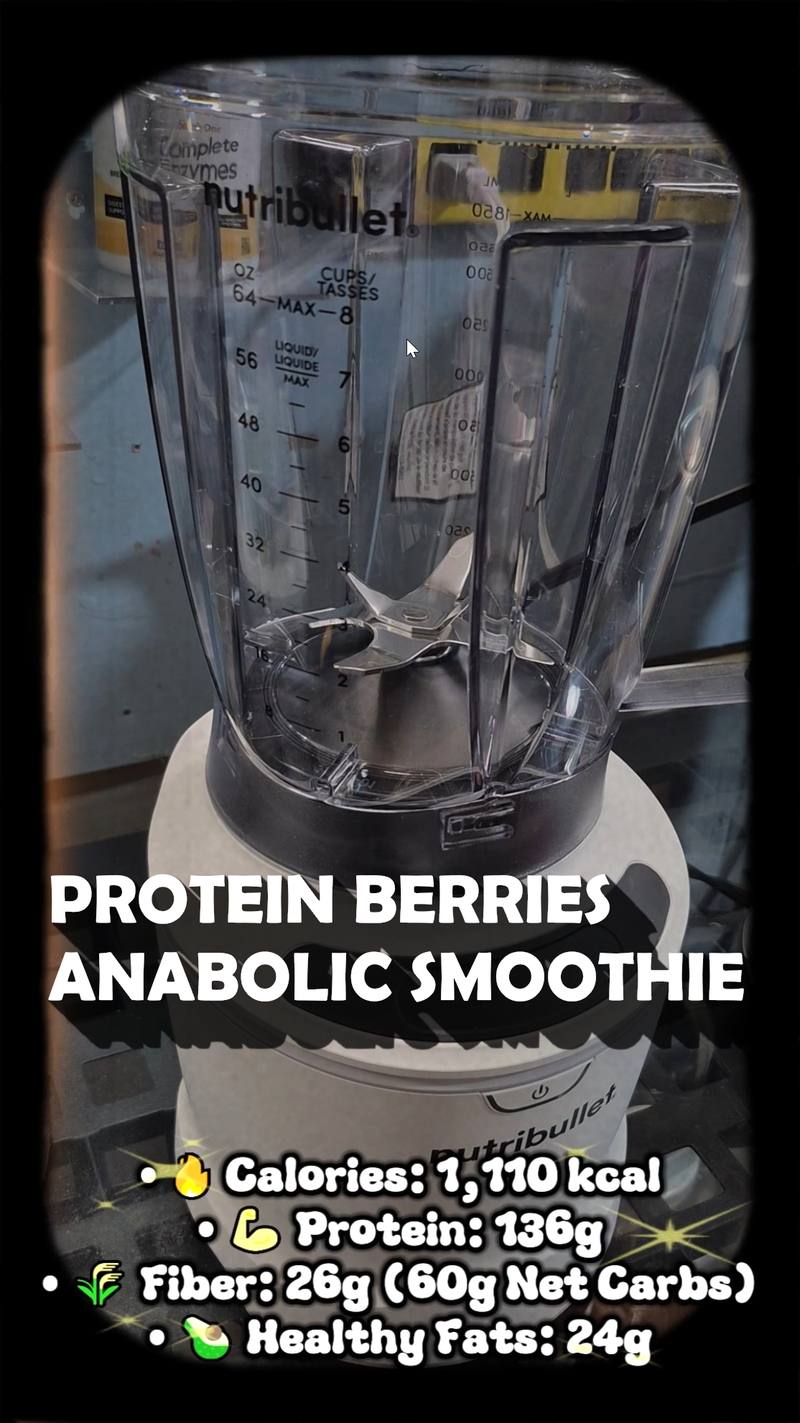
Protein Smoothies
Full blend · caption stated
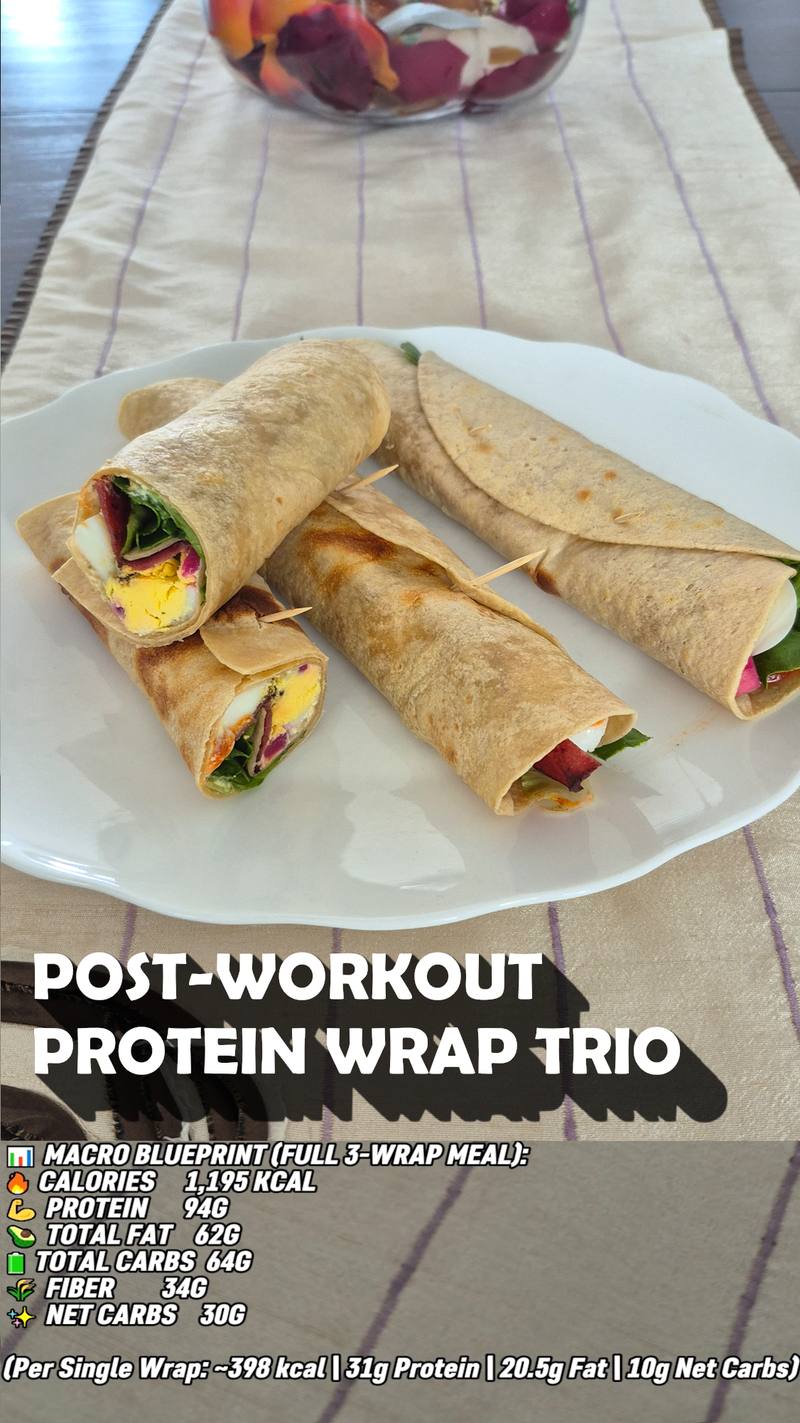
Wraps & Handhelds
3 wraps · caption stated
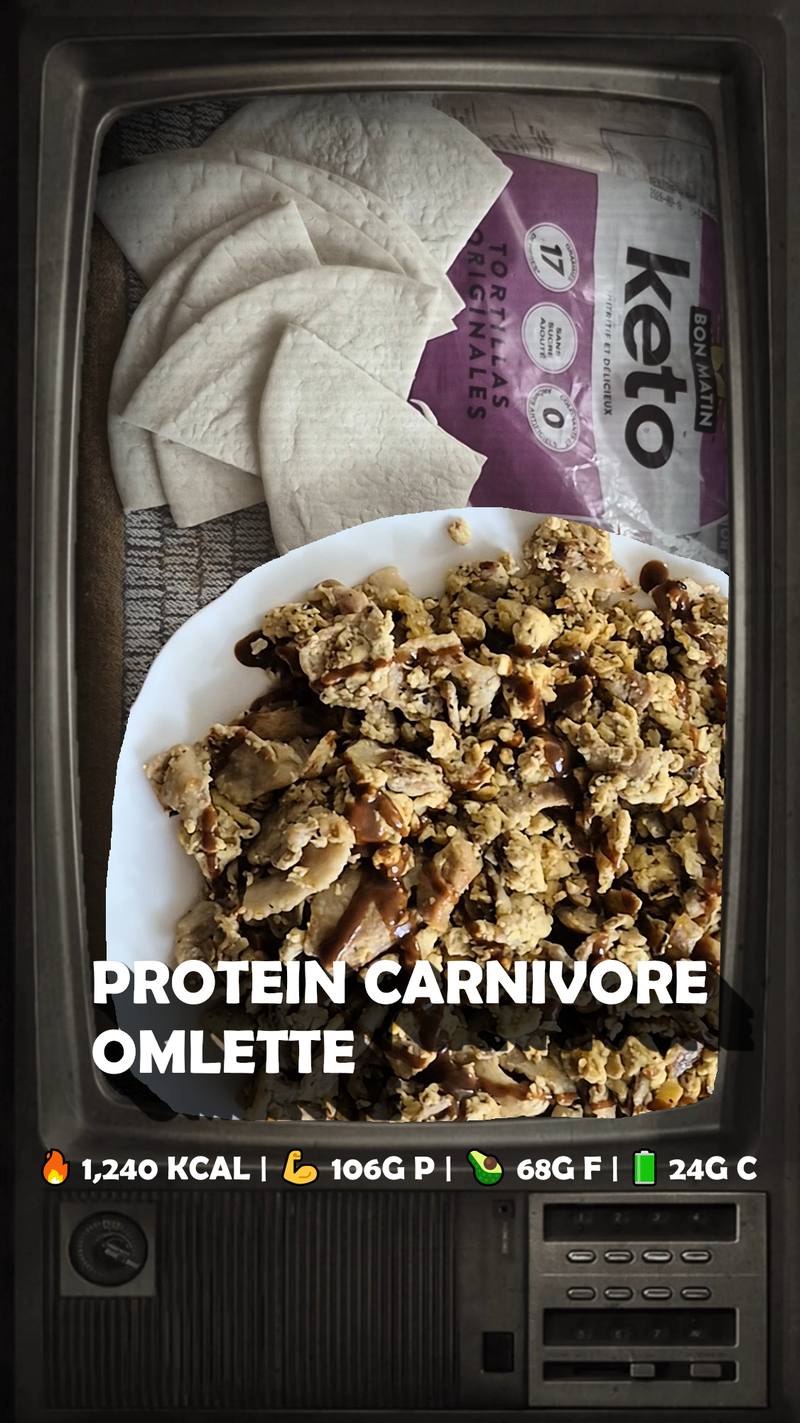
Meat & Carnivore
Whole plate · caption stated
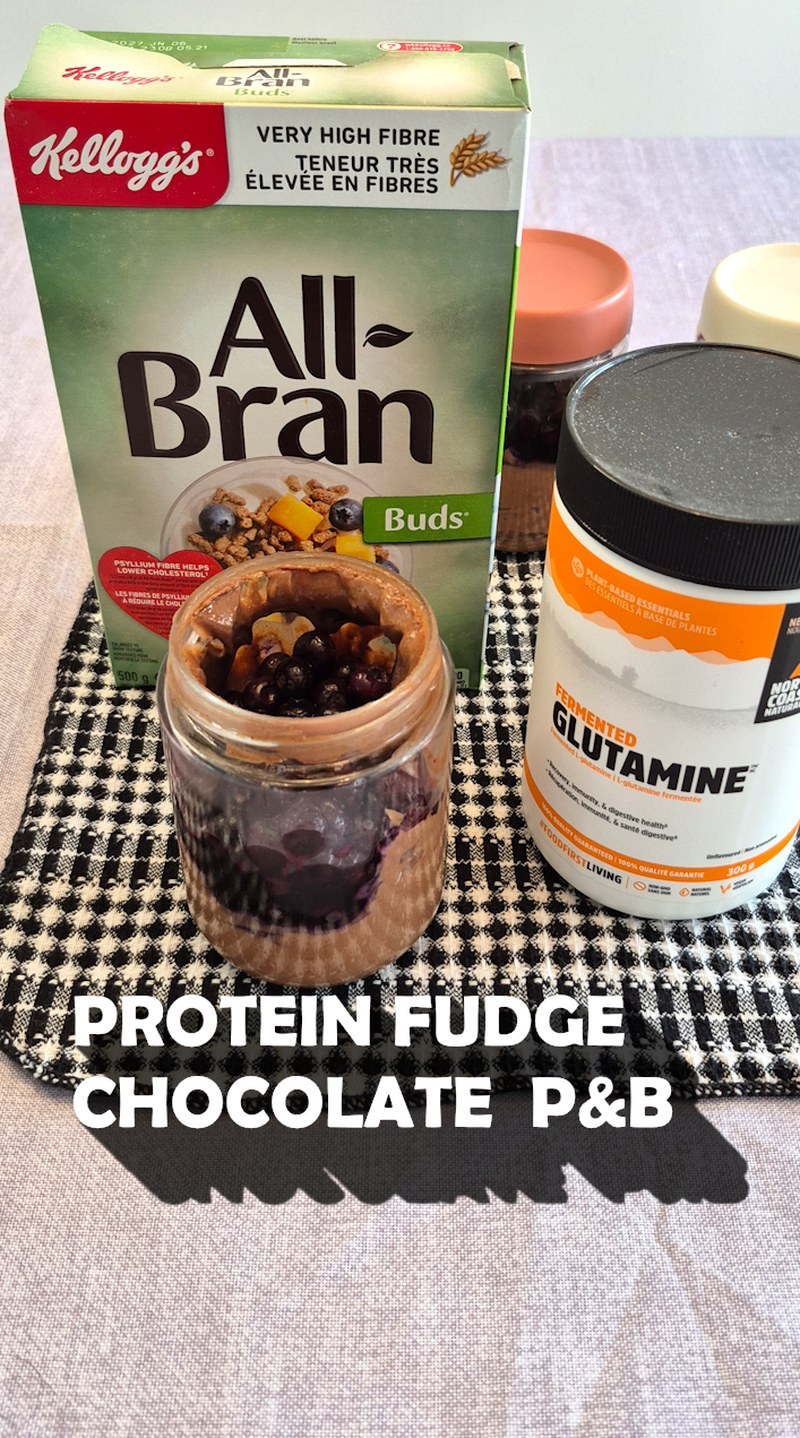
Protein Fudge & Treats
Per jar · 2 jars · caption stated
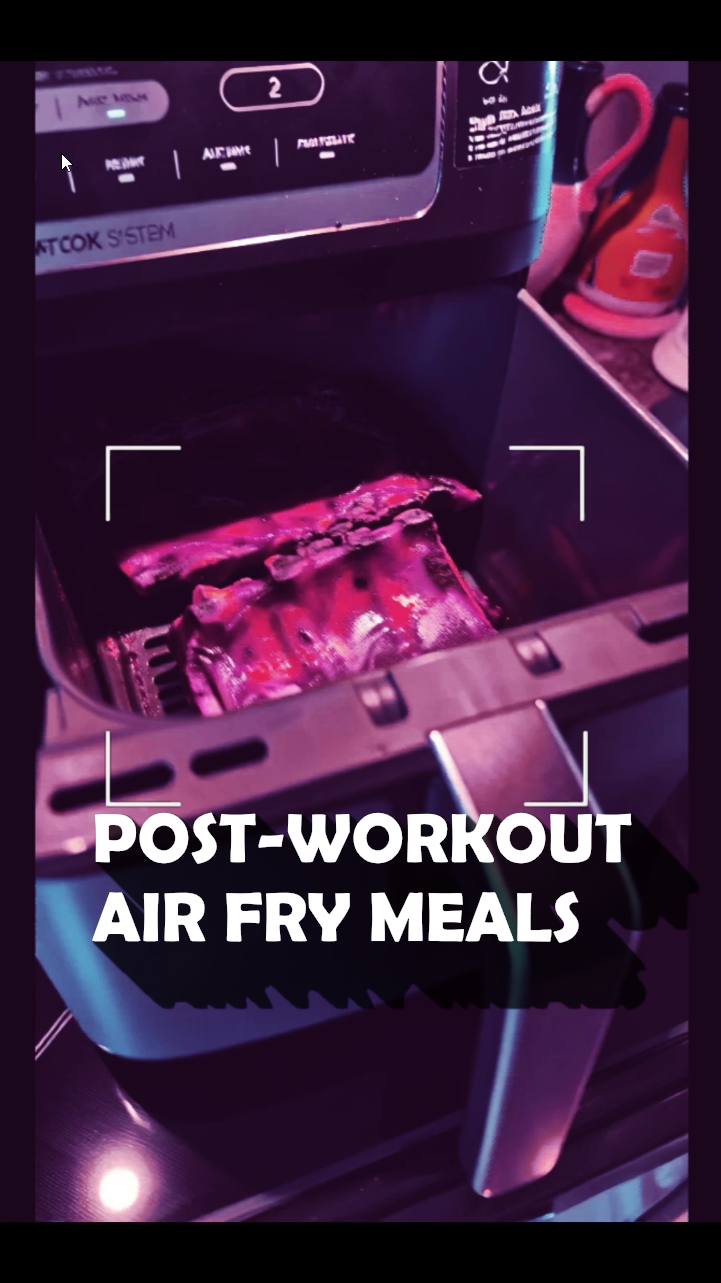
Meat & Carnivore
Six air-fryer meal variations · caption stated
Explore recipe & sources →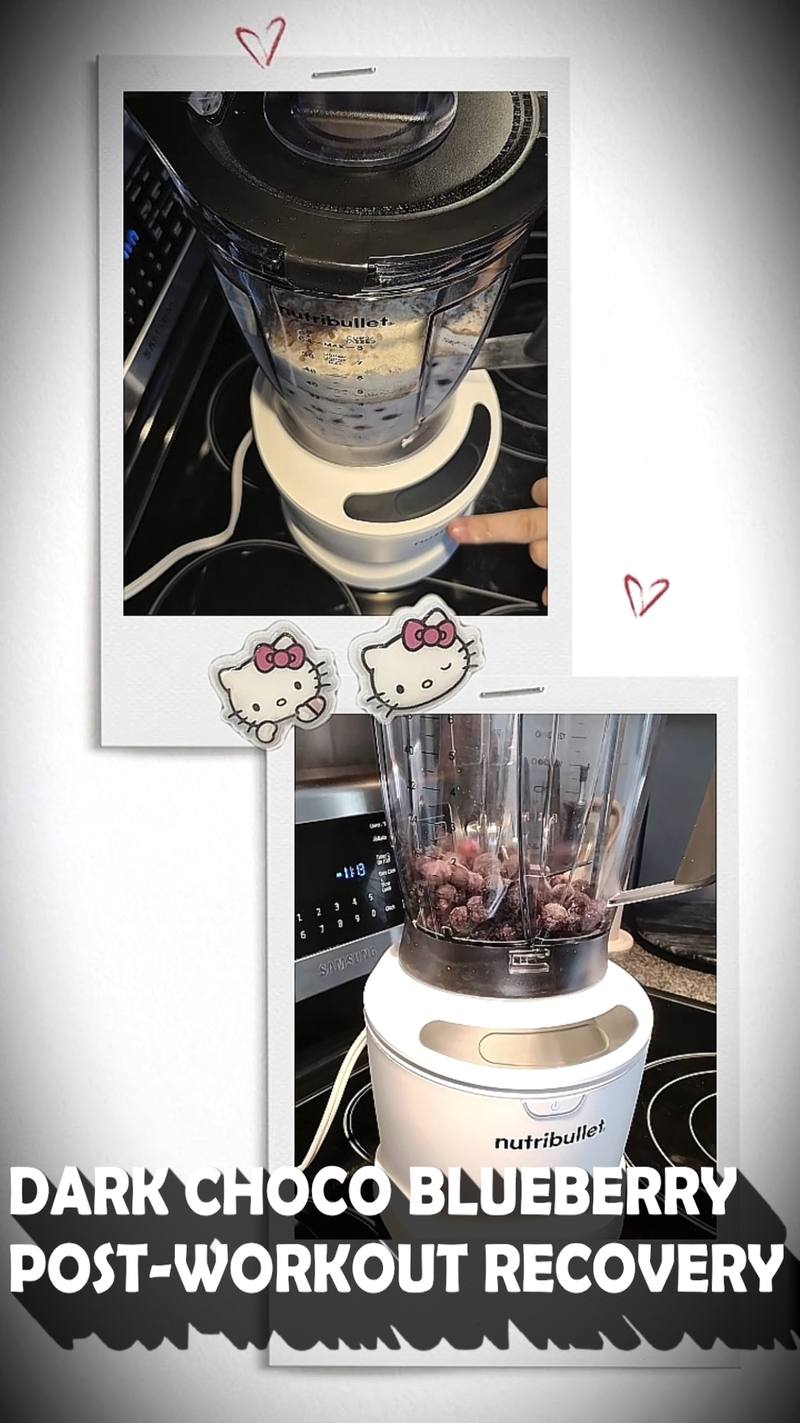
Protein Smoothies
Full blend · reel caption stated
Protein Fudge & Treats
Whole bowl usually eaten · owner estimates 80–110 g protein
Explore recipe & sources →
Protein Fudge & Treats
Whole bowl usually eaten · owner estimates 80–110 g protein
Explore recipe & sources →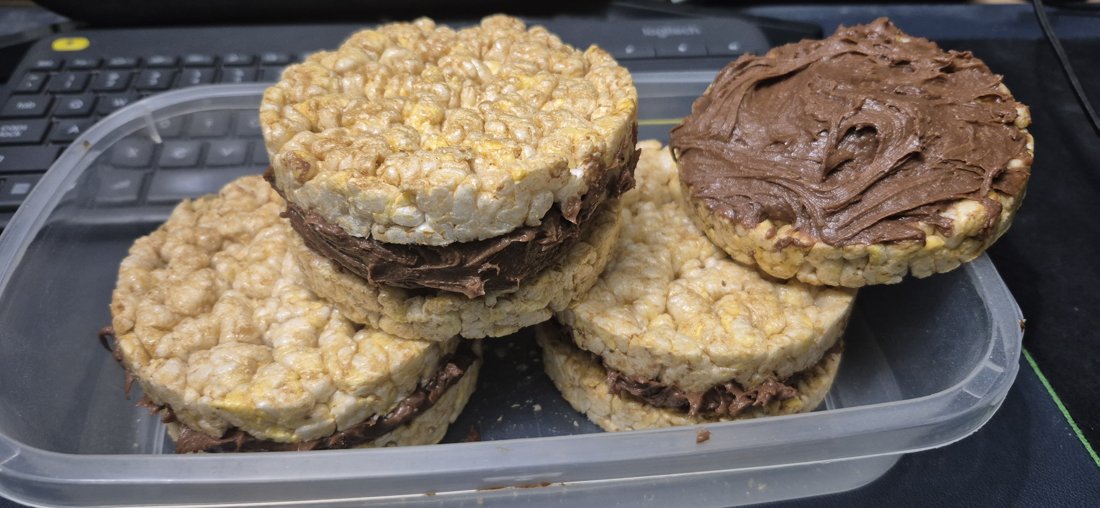
Protein Fudge & Treats
Fudge spread variation · owner confirmed; amounts extrapolated
Explore recipe & sources →HISTORICAL PLAN · WHOLE-DAY INTAKE UNVERIFIED
Explore the foods behind the salads, smoothies, wraps and protein treats. Each ingredient has a main category plus its overlapping nutritional roles.
Eggs, fish, poultry, meat and protein powders contribute essential amino acids. Collagen has a different profile; portion and the day’s total intake matter more than stacking every source.
Drained tuna supplies essential amino acids for muscle-protein synthesis. Species and drained can weight change the nutrient totals; the salad cards use representative values and estimated portions.
Cooked breast supplies essential amino acids with relatively little fat before oil or marinade. It can replace tuna or accompany other protein foods; include every portion actually used in the bowl.
Four eggs are used in egg-led bowls without legumes; two are used with mixed beans and lupini. Eggs add protein, fat and choline. They are an addition to the base, not nutritionally equivalent to the same weight of tuna or chicken.
The reels name Hexapro in the berries smoothie and fudge, and ISO GOLD in the chocolate-blueberry blend. These supply essential amino acids in a convenient form. Scoop weights and protein content vary by product; a blend does not establish a guaranteed eight-hour effect.
The chocolate-blueberry recipe includes egg-white powder. It adds complete protein with little fat. Its powder weight is distinct from the liquid egg whites used in the omelette; use a product intended for the chosen preparation.
The fudge and chocolate-blueberry captions name bovine collagen. Collagen adds protein but has a different amino-acid profile from whey, eggs or milk and should not replace those as the main complete-protein anchor.
Both savory recipes use eggs; the omelette also includes liquid whites. Whole eggs contribute choline and yolk fat, while whites increase protein with less fat. These meal recipes have their own egg amounts, separate from the salad rules.
Turkey bacon appears in the wraps and pork belly in the omelette. Fat and sodium vary with the cut and preparation. Draining rendered fat changes the dish, but does not make pork belly equivalent to lean chicken breast.
The air-fryer reel lists Montreal-seasoned steaks. Beef supplies essential amino acids, heme iron, zinc and B12. Cut, cooked weight and seasoning determine energy, fat and sodium; the reel’s protein ranges are not measurements for every plate.
The reel lists tandoori/lemon-pepper breasts, whole legs, wings, tenders and cutlets. Poultry contributes protein and B vitamins, but skin, breading and cut change the fat and carbohydrate content. Air frying is a preparation method, not proof that every option is low fat.
Avocado, olive oil, chia and peanut ingredients contribute fats in different proportions. Oils are concentrated energy sources; chia and peanut foods also bring fiber or protein.
Olives, avocado, avocado oil and extra-virgin olive oil supply fat and help make the meal satisfying. The Heavy dressing uses avocado and avocado oil; the Light dressing uses olive oil with balsamic glaze. Dietary fat supports absorption of fat-soluble nutrients; oil contributes much more energy per spoon than leafy vegetables.
The chocolate-blueberry blend includes soaked chia. Chia supplies fiber and the plant omega-3 ALA; hydration produces the thick gel texture. Half a cup [125 mL] of soaked gel does not mean half a cup [125 mL] of dry seeds, so dry seed weight is needed for nutrition totals.
PB&Me appears in the berries smoothie and chocolate fudge. Removing much of the peanut oil creates a powder with a different fat-to-protein balance from regular peanut butter. Chocolate varieties can have different sugar and calorie values.
Fruit, legumes, tortillas and meal coatings contribute carbohydrate. Sources differ in sugars, starch and fiber, so complex carbohydrate is not a label for every item in this group.
The berries smoothie, chocolate-blueberry blend and fudge topping use berries. They add carbohydrate, fiber and anthocyanin pigments. Whole blended berries retain their fiber; blending is different from straining juice.
The wraps reel names POM Protein tortillas; the omelette names Bon Matin Keto tortillas. They hold the filling and contribute carbohydrate, fiber and some protein. Their added fiber and portion size determine the totals; the word keto alone does not describe the whole meal.
The air-fryer menu also includes ribs and crispy fish with spring rolls. Ribs contribute protein and fat; fish contributes protein, with omega-3 content depending on species. Rolls and coatings add carbohydrate and oil. These items have different roles and should be accounted for individually.
Beans, lupini, chia, berries and bran add different fiber types. Their food structure and fluid content affect texture and digestive comfort; toppings and thickeners have separate roles.
Mixed legumes supply starch for energy, plant protein and fiber. Half versus a full can changes the meal substantially; use drained weight and the package label.
Lupini contributes a different protein-to-carbohydrate balance from the mixed-bean base. Use commercially prepared edible lupini, rinsed and drained, for the recorded half-cup [125 mL] addition.
The fudge reel lists All-Bran Buds with frozen berries. The cereal adds fiber and texture, plus carbohydrate. Count the amount added to the batch and how it is divided between jars; it is not interchangeable with plain oats.
The fudge recipe uses a pinch of each; the chocolate-blueberry blend also lists salt. Xanthan thickens the mixture, while salt adds sodium and taste. Pink color does not turn salt into a balanced potassium/magnesium electrolyte source.
Feta, cheddar and protein milk provide dairy protein and calcium. Almond beverage and tofu spread are included for comparison: their protein and calcium depend on the actual product.
Feta adds dairy protein, calcium, fat and salt. The milk blend and brine vary by product; a half-cup [125 mL] volume can vary in weight depending on crumbling and packing.
The chocolate-blueberry reel records 3 cups [750 mL]. It adds fluid and texture but is generally a modest protein source. Calcium and vitamin D depend on fortification; shake the carton and check its label rather than counting it as equivalent to dairy protein milk.
The fudge recipe names Neilson protein milk. It contributes whey/casein protein and calcium, alongside milk fat and remaining carbohydrate. Use the actual milk label; almond beverage and ultra-filtered dairy milk are different nutritional bases.
The wrap caption names old cheddar and Fontaine Santé tofu spread. Cheddar contributes protein, calcium, fat and sodium; the spread adds creamy texture and its own soy-based nutrient mix. Use each product’s serving label to account for the meal.
Leafy greens, colorful vegetables, berries and cacao broaden the micronutrient and plant-compound mix. Seasonings add flavor; pickled and salted ingredients also affect sodium.
Water and fiber build the bowl’s volume. Leafy greens contribute folate, vitamin K and carotenoids; kale and spinach vary the micronutrient matrix.
Pepper contributes vitamin C, which improves absorption of plant-derived nonheme iron. Cucumber contributes water and crunch; tomato adds another vegetable and carotenoid layer.
Beets contribute betalain pigments; red cabbage contributes anthocyanins. Pickled beets are not a standardized sports-nitrate product, and sweetened brine changes carbohydrate.
Cacao appears in the chocolate-blueberry blend. It adds cocoa flavor, fiber and minerals such as magnesium. Flavanol content varies with processing; this recipe does not establish a measured nitric-oxide or recovery effect.
The wraps use romaine and Cedar pickled turnips; the omelette includes yellow onion. These add vegetable variety. Pickling does not guarantee live probiotics, and brine adds sodium; cooking oil is counted separately from the onion.
The wrap reel names Huy Fong Sriracha; the omelette lists a no-added-sugar savory drizzle. These add flavor, with sodium and other ingredients determined by the label. No added sugar does not establish zero calories or a metabolic benefit.
Macro synergy — protein + legumes: tuna, chicken, eggs or dairy provide essential amino acids; beans add carbohydrate fuel, fiber and additional protein. Recovery depends on the day’s total intake and training load.
Pepper + plant iron: vitamin C helps absorption of nonheme iron from plant foods. This is a food pairing, not a treatment for iron deficiency.
Vegetables + fat: avocado, oil, olives and feta provide fat alongside fat-soluble nutrients. More oil increases energy; it is not required to keep adding oil for the pairing to work.
Rinsing + brine: draining and rinsing beans, lupini and brined ingredients can reduce some surface salt; the remaining sodium depends on the product. Feta, olives and pickles still contribute to the meal’s salt.
Ingredient identities come from the linked reel captions; food roles are summarized separately from their published performance claims. Caption quantities and macros have not been independently verified against every package label.
Protein-first eating with whole foods, documented from @fudge_fit.
Watch the stack: fat boluses, magnesium and vitamin C all push GI tolerance in the recorded no-gallbladder context.
Further study: Portions, label arithmetic & estimate uncertainty →
| Meal / module | Composition (recorded) | Published historical macros | Clinical relevance |
|---|---|---|---|
| Breakfast / Primer | About 80 g dry roasted kasha, Earl Grey tea | Deferred (not verified) | Carbohydrate baseline; tea timed about 2 hours before V1 to limit tannin and caffeine stacking confusion. |
| Training Lunch | Main meal + Lunch Pill Grid + Digestive Enzymes Ultra | Deferred | Largest solid-fuel window on training days. |
| MS-01 Mega Shake (Preserved Legacy) | 500 mL Protein 3% ultrafiltered milk, 2 scoops [≈88 g label equivalent] Hexapro, 2 scoops PB&Me, hydrated chia, bovine collagen, bone broth protein, cocoa, berries | 1,115 kcal / 129 g P / 73 g C / 36 g F (label check 1,132 kcal) | High-volume meal replacement. Bone-broth protein content remains an unverified label claim. |
| SB-01 Salad Bowl (Preserved Legacy) | Tuna, feta, jumbo beans, avocado oil in 32- 40 oz bowl | 810 kcal / 50 g P / 55 g C / 36 g F (check 744 kcal) | High micronutrient density; fat moderated to digestive tolerance post- cholecystectomy. |
| FUSION_2A Dark Matter Casein (Legacy) | 2 scoops [≈88 g label equivalent] Hexapro Chocolate, 175 g Isey 0% Skyr, All-Bran Buds, wild blueberries | 480 kcal / 50 g P / 45 g C / 8 g F (check 452 kcal) | Nighttime slow-digesting blend. No verified mandatory 19:00 curfew. |
Further study: Portions, label arithmetic & estimate uncertainty →
Current manuals
18 OCTOBER 2026 · TEXT REFERENCE
Read the detailed models and meal evidence used in the Encyclopedia and Guidebook updates.
Open the analysis and publication updates →Current book record: 11 harvested meals, 5 highlights and their serving basis. Older photo galleries remain journal references; modelled draft numbers do not establish current recipe or daily totals.