POJECT · NUTRITION

Meals & recipes

Every logged meal and recipe, by category.

Meals6 recipe videosCategories4Historical plan252 g protein
Featured meals

Post-Workout Recovery Mega Salads

Measurement key · cups, spoons & metric brackets →

Browse all 14 bowls, their ingredients and dressing choices in the dedicated salad collection.

Open the mega salads
Meal journal

More Meals & Recipes

  • Real meals.
  • The whole story.
  • Explore the preparation, ingredients and serving context behind each meal.

Nutrition figures are stated in the original Instagram captions unless marked otherwise. They are not independently verified recipe calculations.

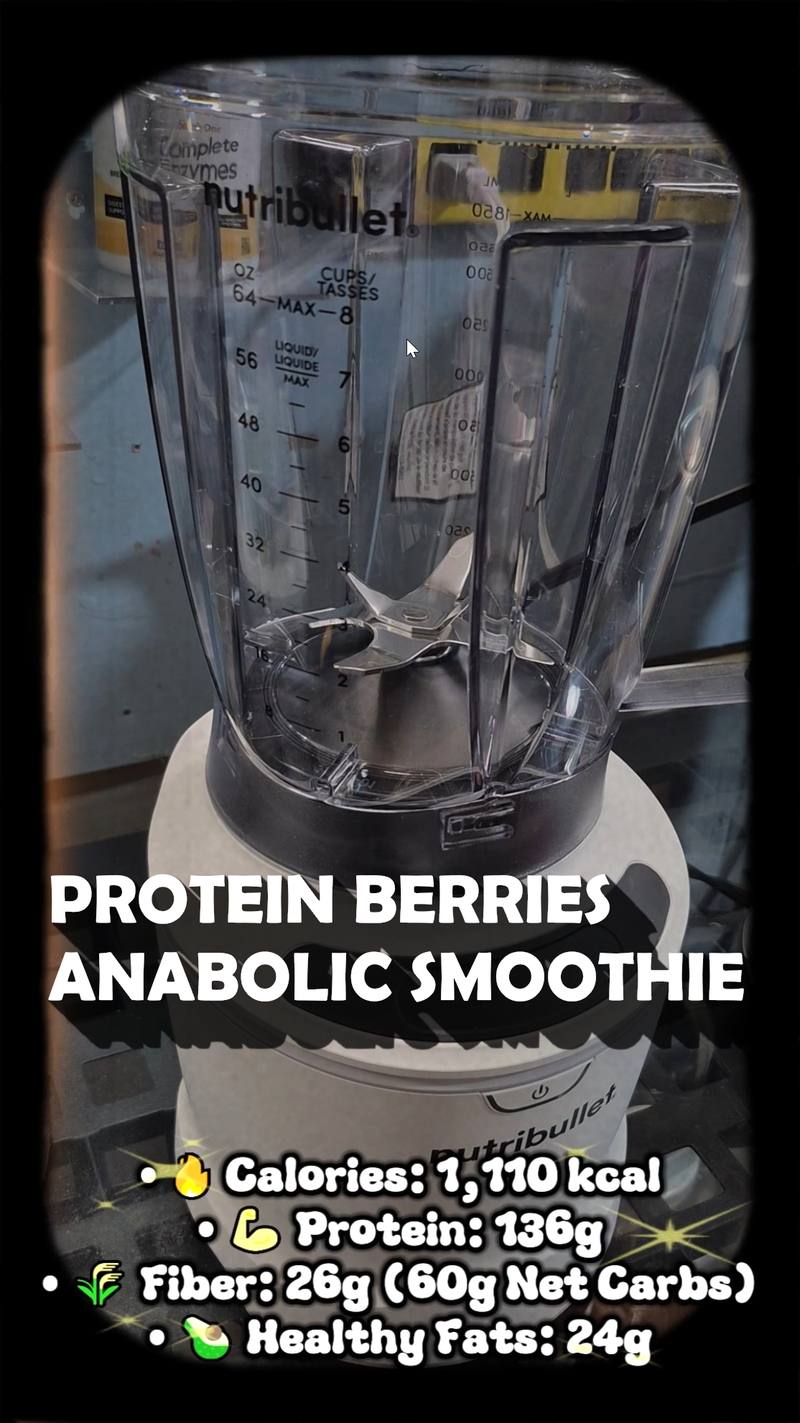
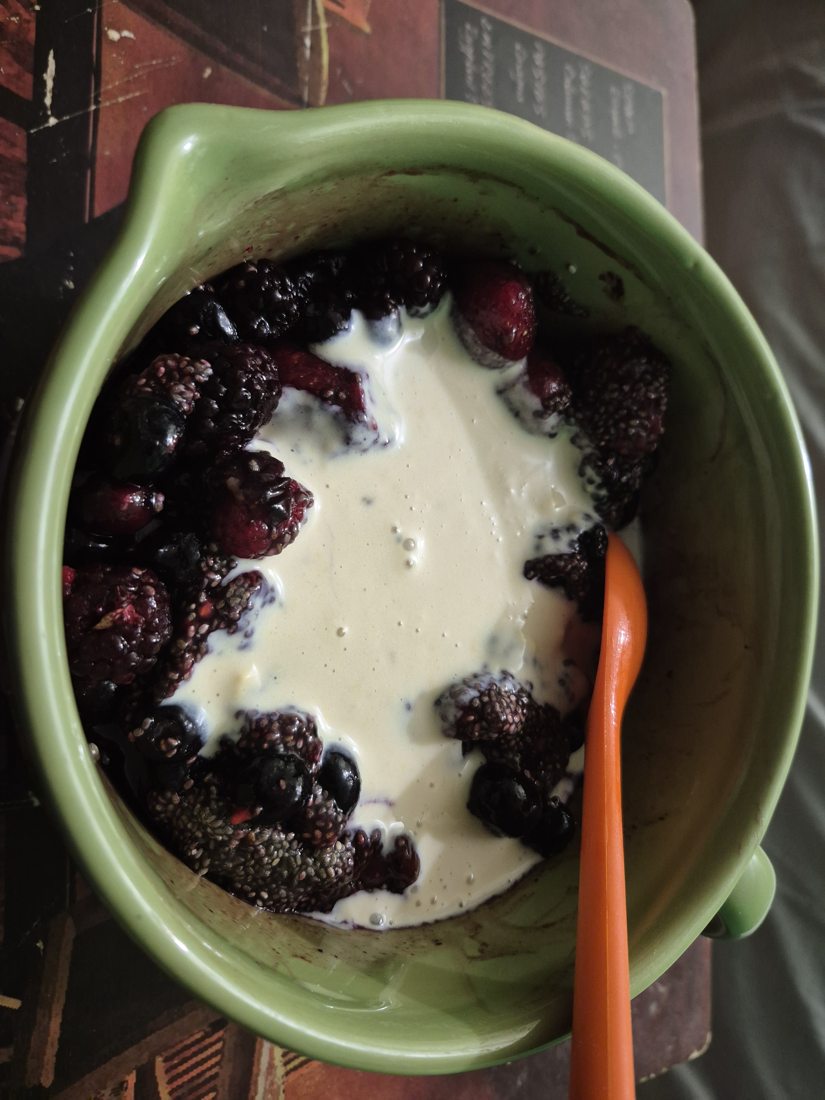
Protein Berries Smoothie

Protein Berries Smoothie

Full blend · caption stated

kcal
1110
g protein
136
g fiber
26
Explore recipe & sources →
Ingredients & preparation
  • Hexapro protein blend
  • PB&Me powdered peanut butter
  • UltraPur protein
  • Bovine collagen
  • Berries and liquid base — exact quantities not stated in caption
  1. Add the liquid base, then powders and berries.
  2. Blend until smooth; adjust liquid to your preferred texture.
  3. Pour and serve. Method inferred from the clean reel.

Study portions, labels & estimate uncertainty →

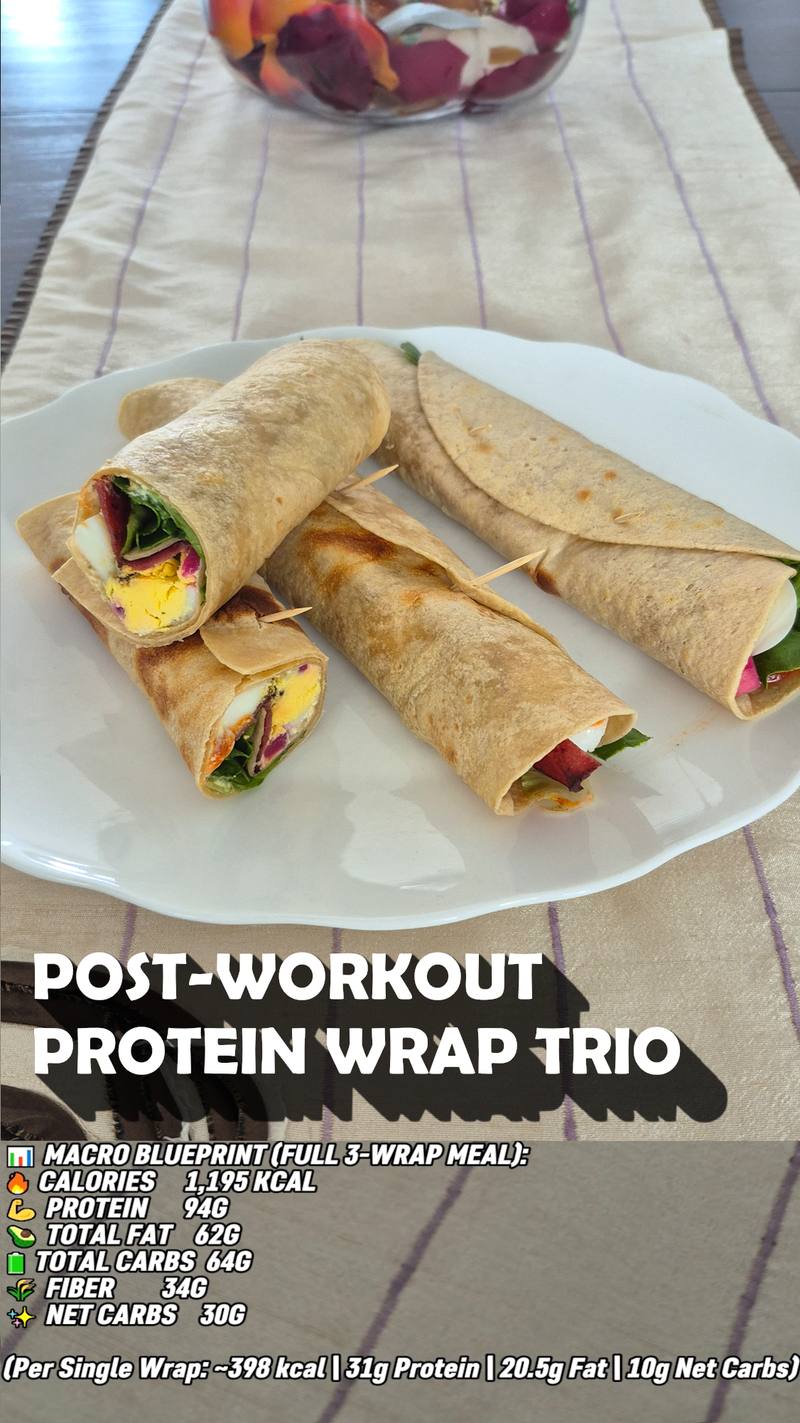
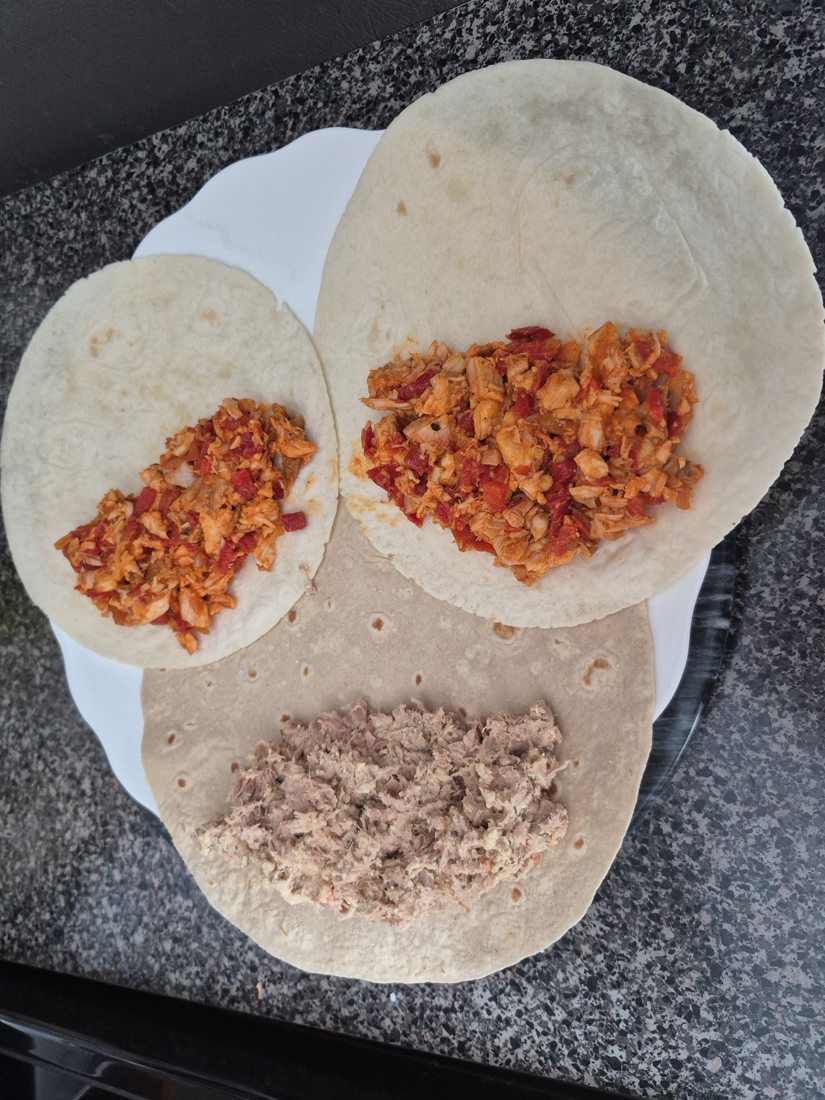
Post-Workout Protein Wraps

Post-Workout Protein Wraps

3 wraps · caption stated

kcal
1195
g protein
94
g fiber
34
Explore recipe & sources →
Ingredients & preparation
  • 3 POM Protein Tortillas
  • 3 hard-boiled eggs
  • 3 thick-cut turkey bacon slices
  • 3 tbsp [45 mL] Fontaine Santé tofu spread
  • 6 old cheddar strips
  • Cedar pickled turnips, romaine and Huy Fong sriracha
  1. Pan-sear the bacon until crisp.
  2. Warm tortillas and spread 1 tbsp [15 mL] tofu spread on each.
  3. Layer sliced eggs, bacon and cheddar.
  4. Add turnips, romaine and sriracha; roll and secure.

Study portions, labels & estimate uncertainty →

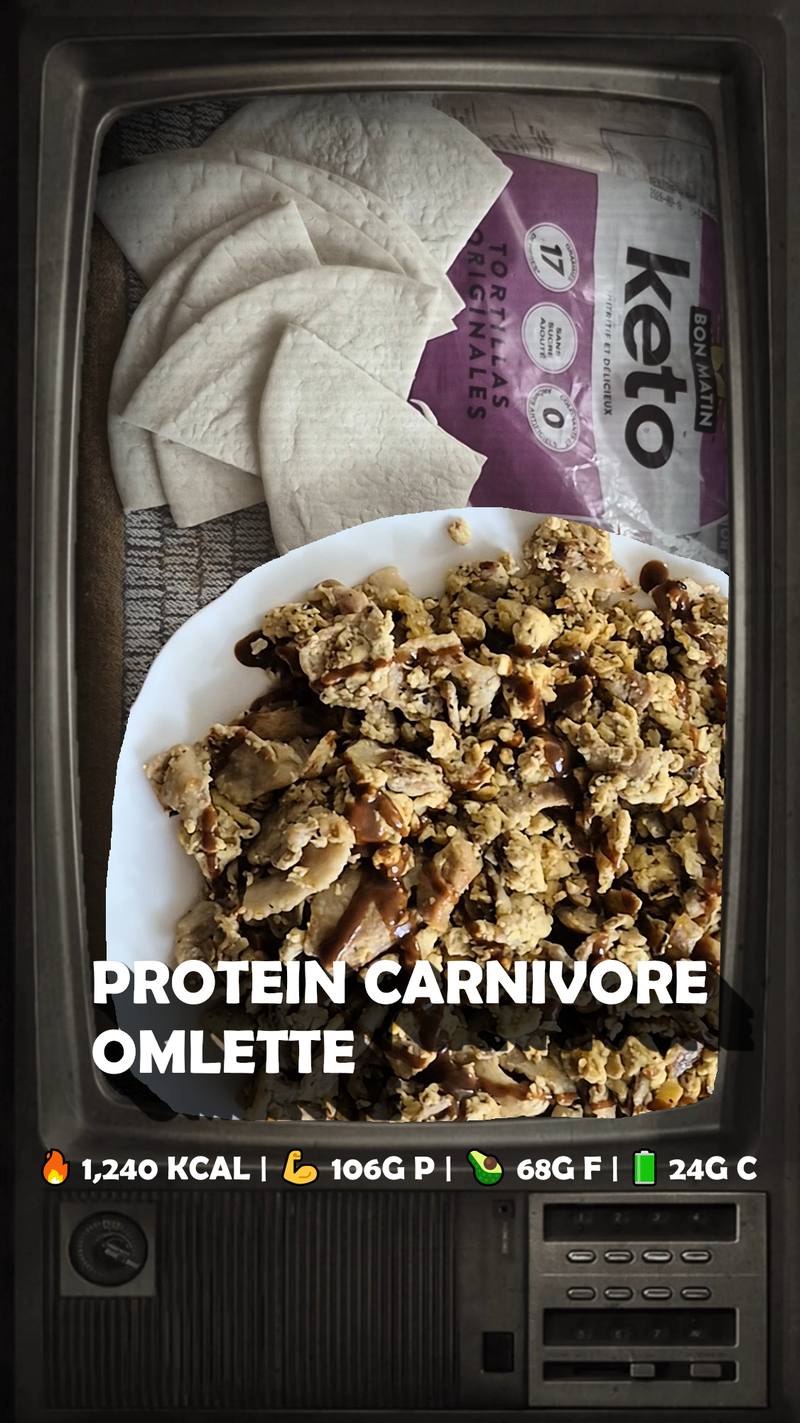
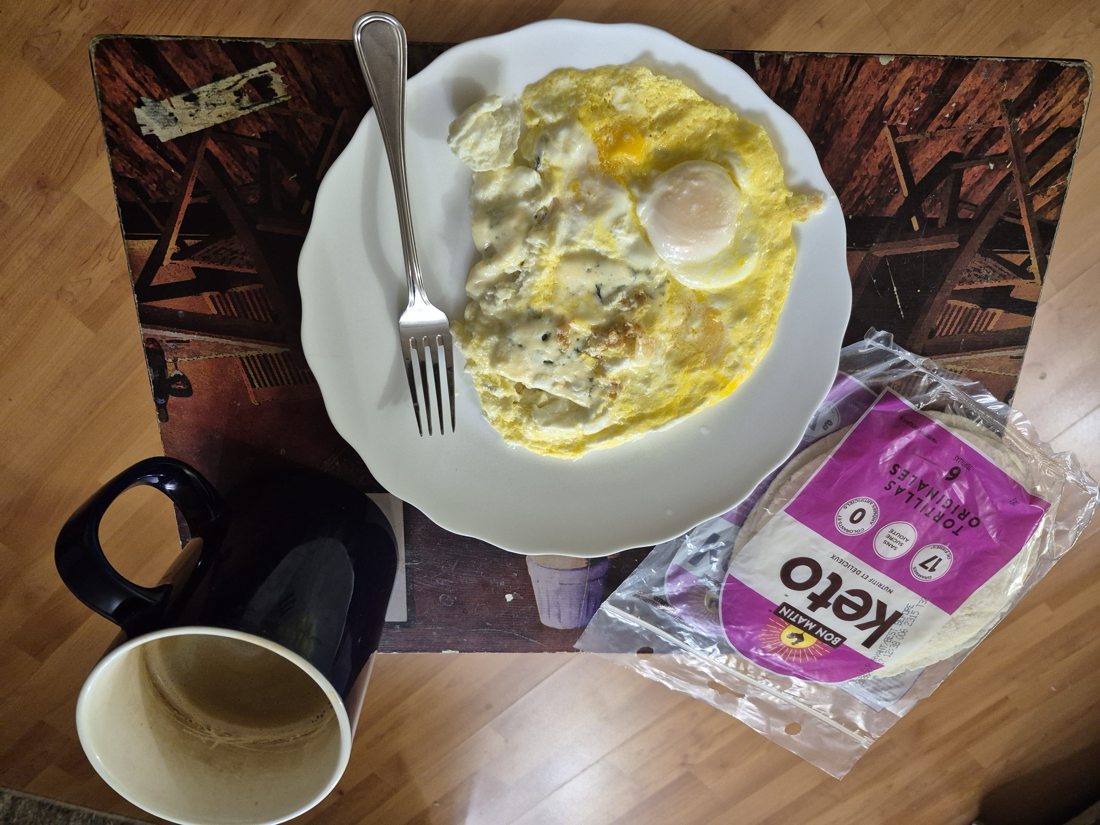
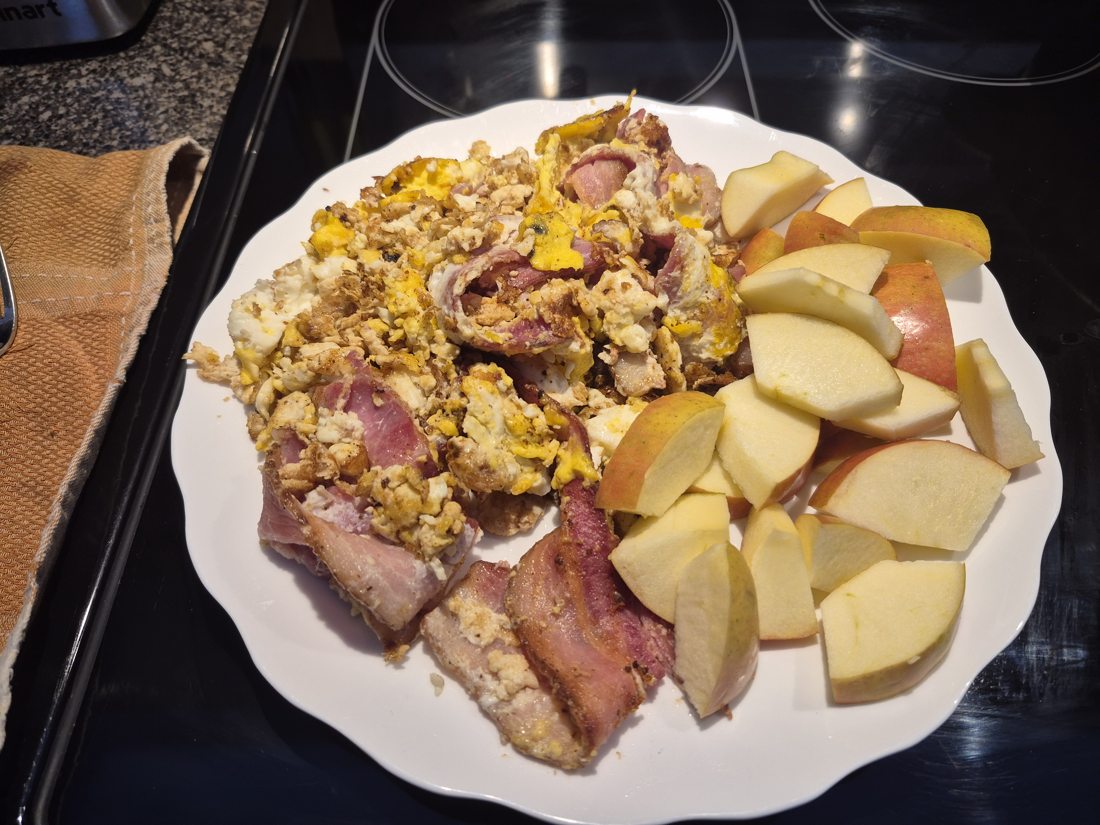
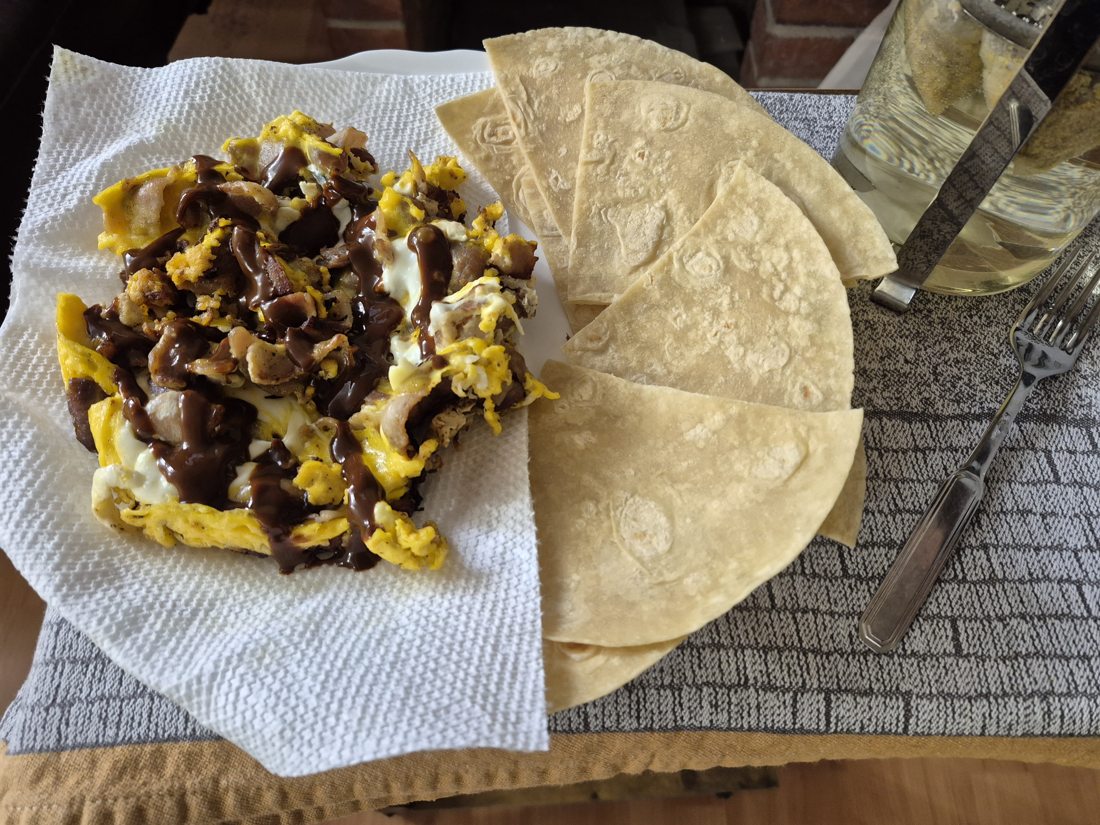
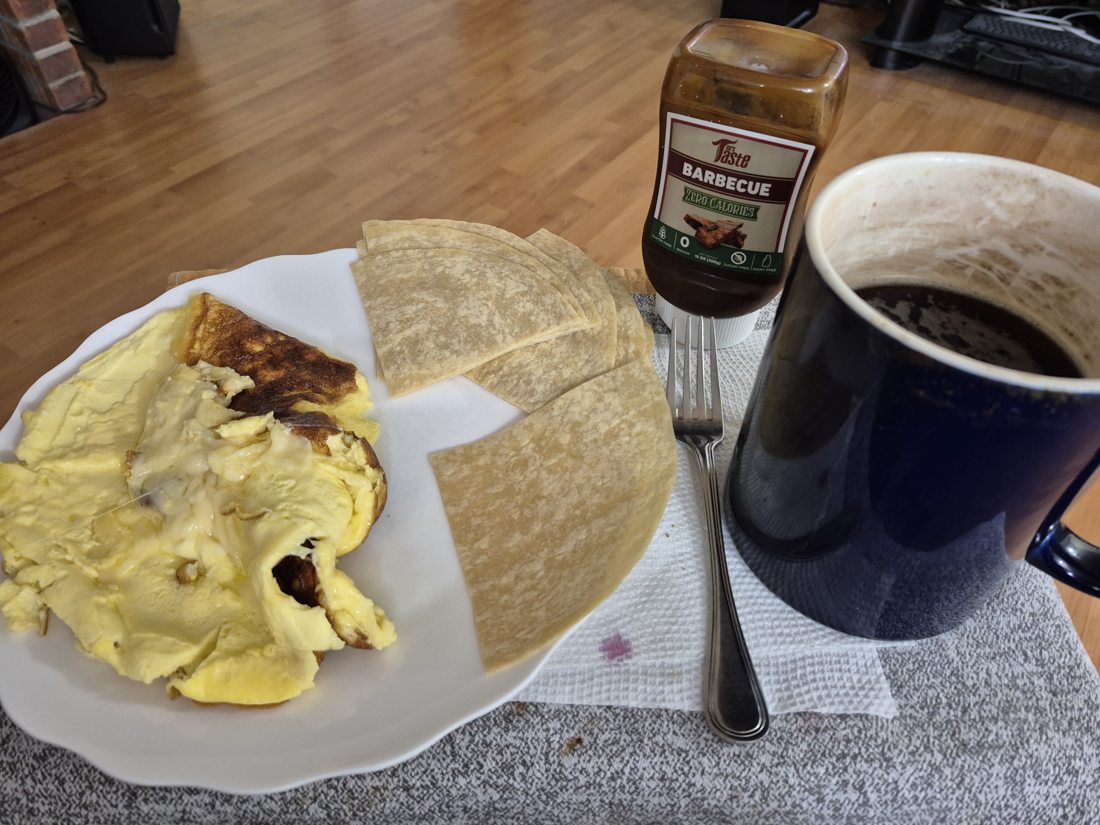
Carnivore Omelette

Carnivore Omelette

Whole plate · caption stated

kcal
1240
g protein
106
g fiber
34
Explore recipe & sources →
Ingredients & preparation
  • 12 crispy pork belly strips; rendered lard drained
  • 3 whole eggs + 1 cup [250 mL] liquid egg whites
  • 1 sautéed yellow onion
  • 2 Bon Matin keto high-fiber tortillas, quartered
  • No-added-sugar savory drizzle
  1. Pan-sear pork belly and drain rendered fat.
  2. Sauté onion and cook the egg mixture.
  3. Plate with quartered tortillas and drizzle. Method inferred.

Study portions, labels & estimate uncertainty →

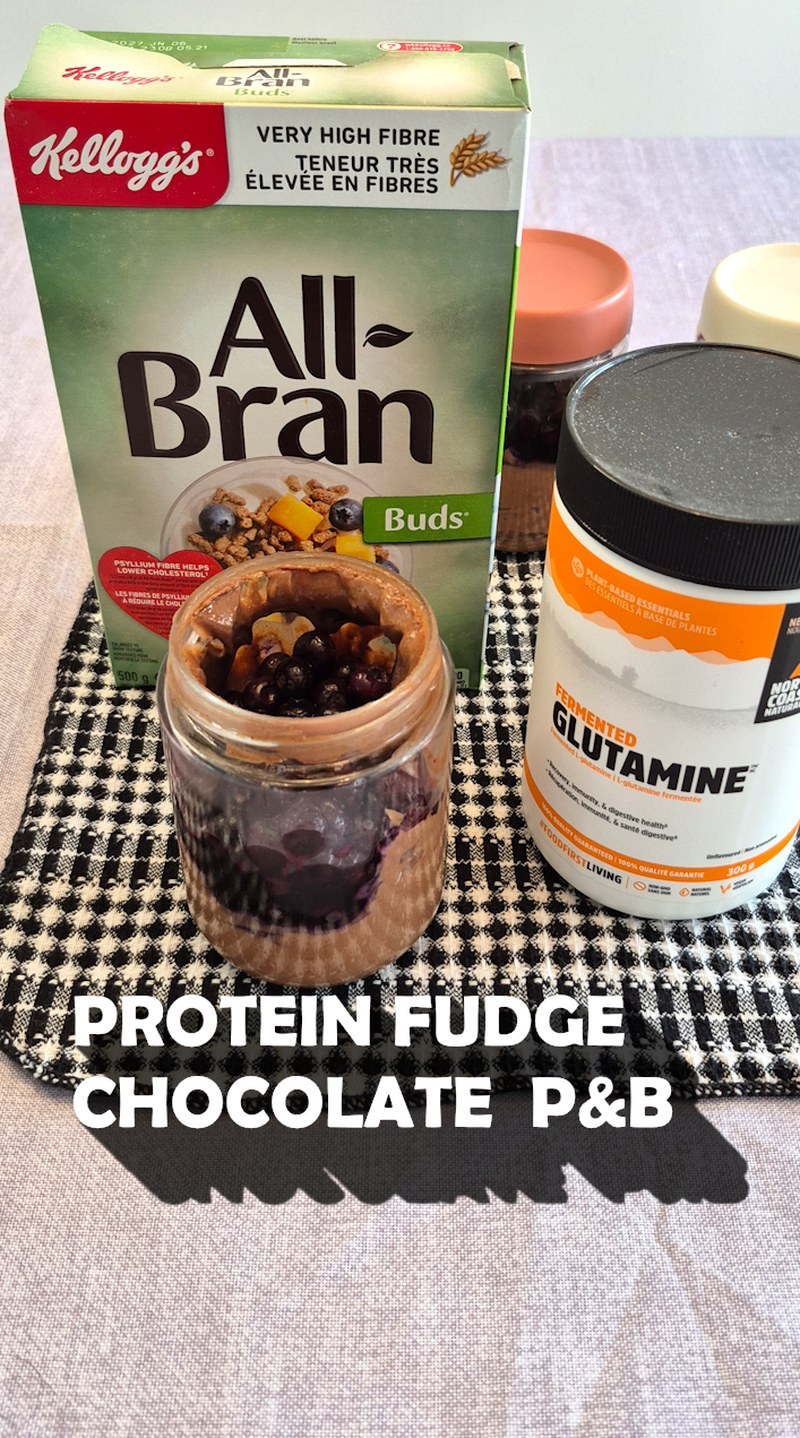
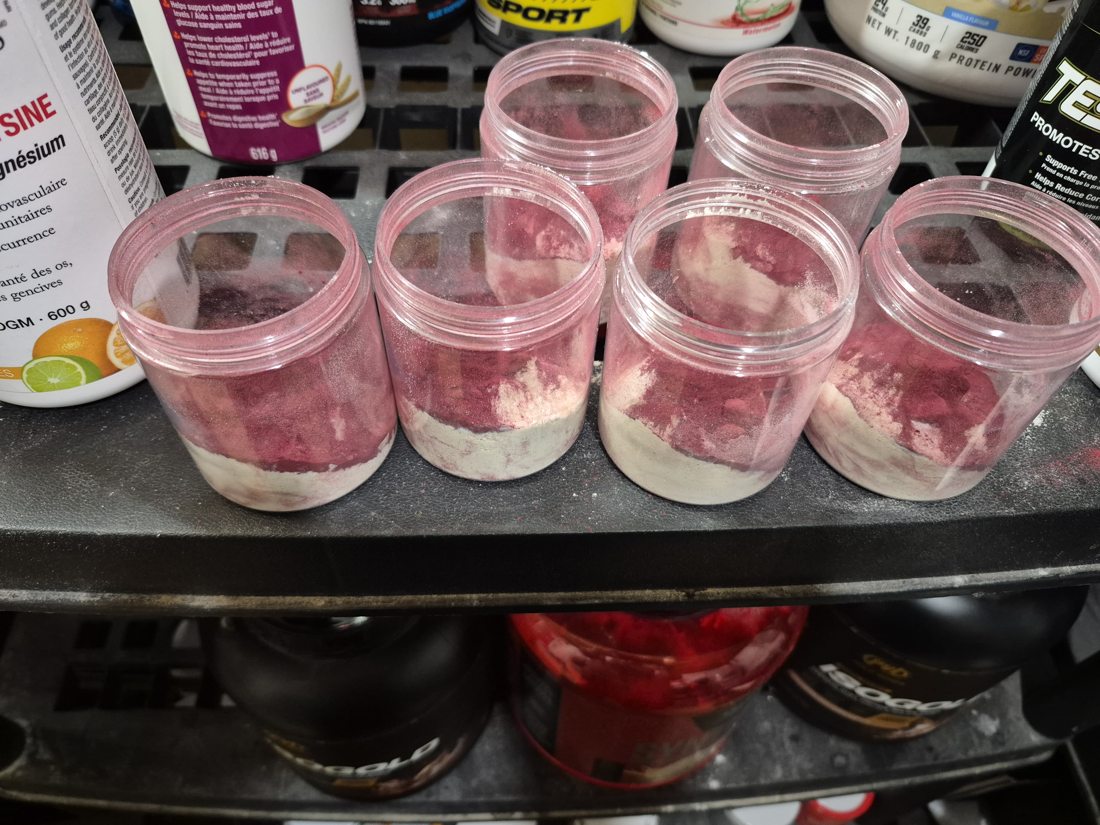
Chocolate PB Fudge Jars

Chocolate PB Fudge Jars

Per jar · 2 jars · caption stated

kcal
441
g protein
50.4
g fiber
10.7
Explore recipe & sources →
Ingredients & preparation
  • 2 scoops [≈88 g label equivalent] ALLMAX Hexapro Chocolate
  • 1 scoop hydrolyzed bovine collagen
  • ½ cup [125 mL] PB&Me Chocolate powdered peanut butter
  • 1 cup [250 mL] Neilson 3.25% ultrafiltered protein milk
  • Pinch xanthan gum and pink salt
  • Toppings: ½ cup [125 mL] frozen berries + ⅓ cup [≈83.3 mL] All-Bran Buds
  1. Mix powders with milk until smooth.
  2. Thicken with a small pinch of xanthan gum.
  3. Divide between two 16 oz jars [≈473 mL US capacity each] and add toppings. Method inferred from reel.

Study portions, labels & estimate uncertainty →

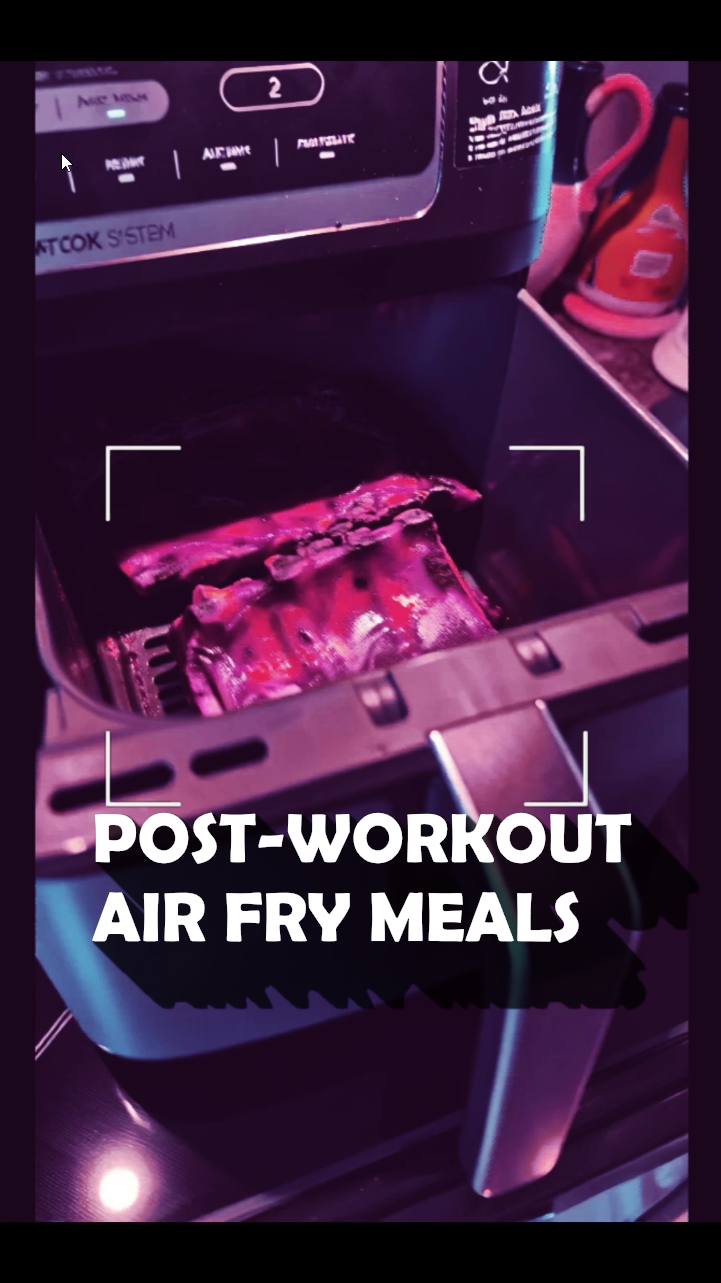
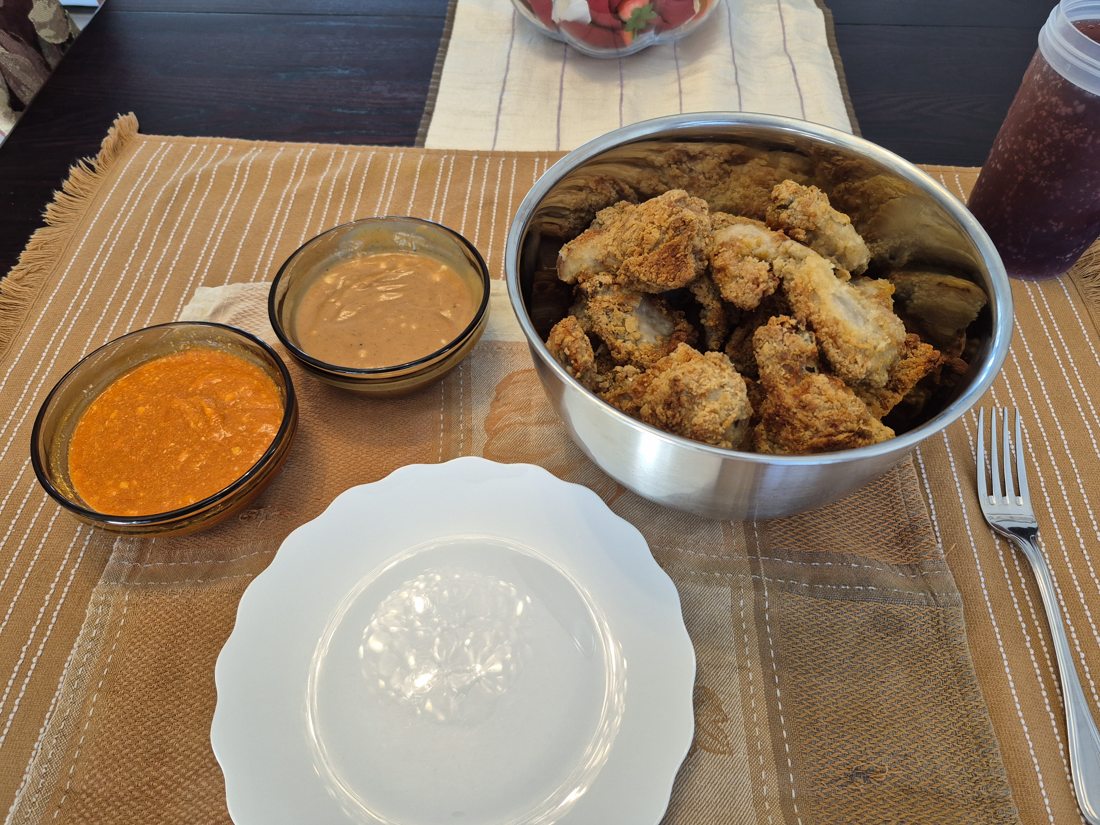
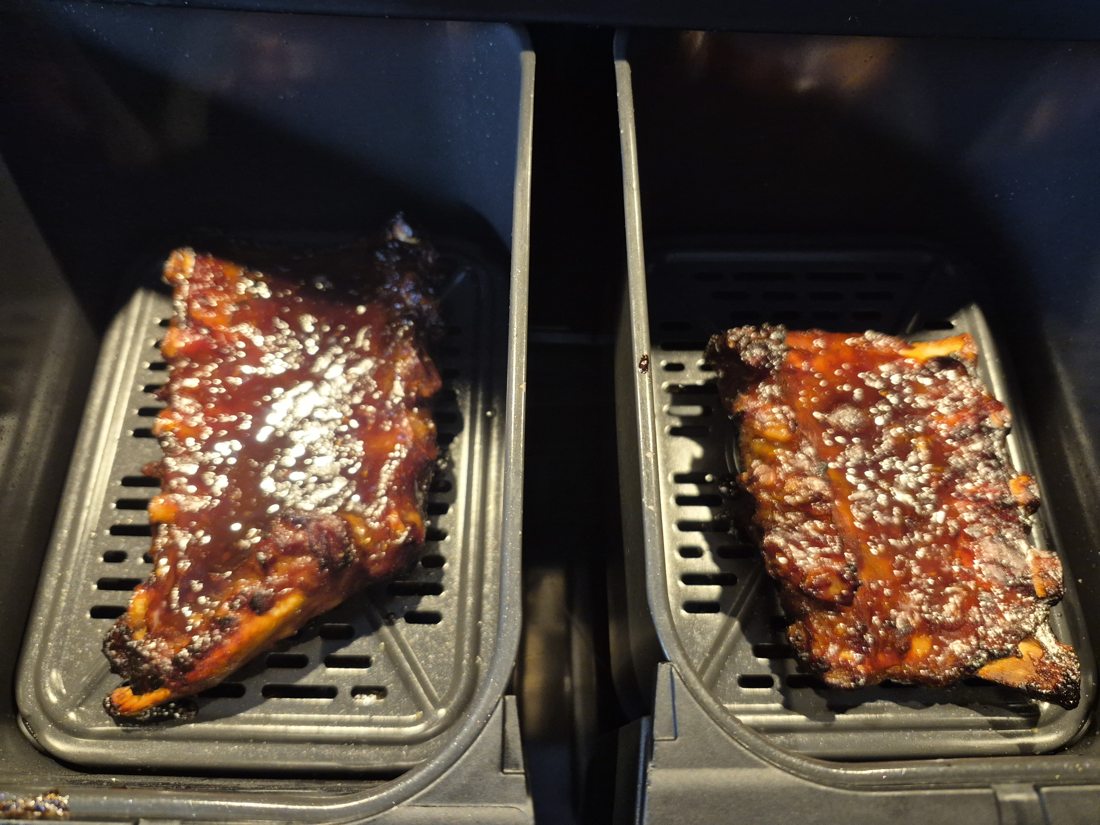
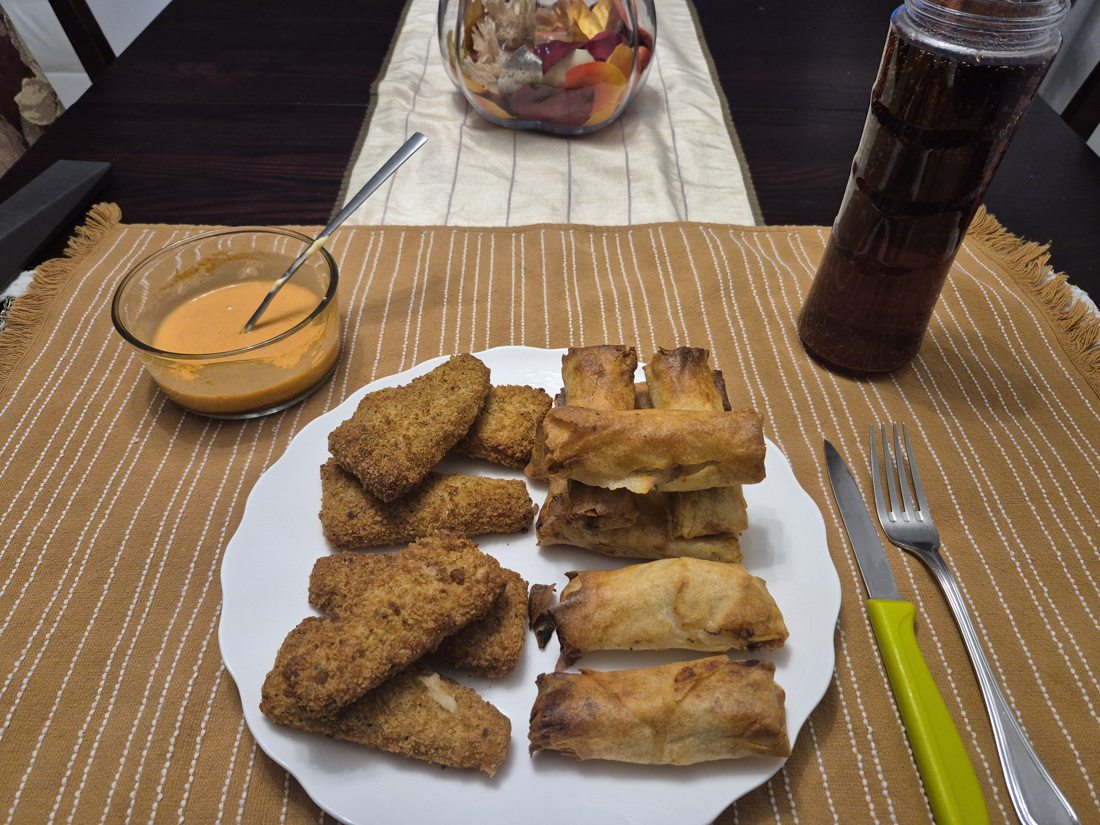
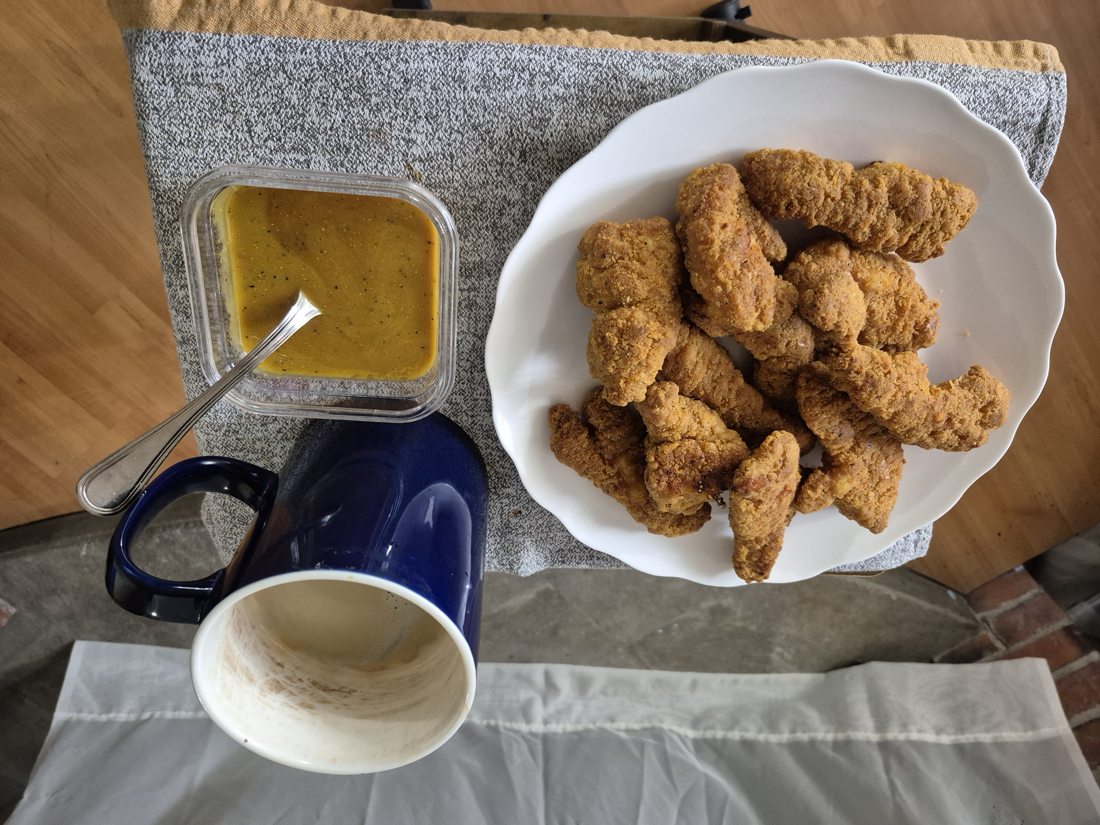
Post-Workout Air Fry Meals

Post-Workout Air Fry Meals

Six air-fryer meal variations · caption stated

Explore recipe & sources →
Ingredients & preparation
  • Montreal-seasoned thick beef steaks
  • Tandoori or lemon-pepper chicken breasts
  • Chicken wings with baby back ribs
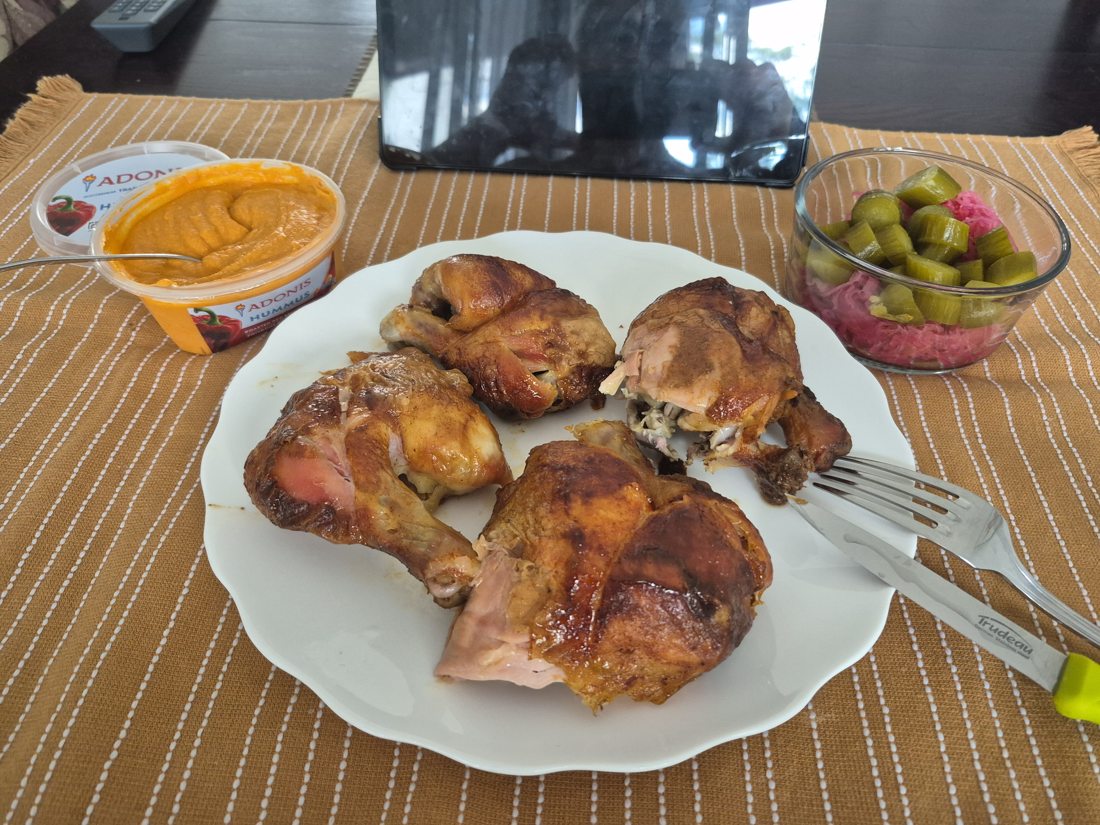
  • Spice-rubbed whole chicken legs
  • Chicken tenders or cutlets
  • Fish with spring rolls — separate higher-carbohydrate variation
  1. Arrange ingredients in the air-fryer basket with space for airflow.
  2. Cook using the appropriate setting for the confirmed ingredients.
  3. Plate the cooked meal. Proposed method; no time or temperature inferred.

Study portions, labels & estimate uncertainty →

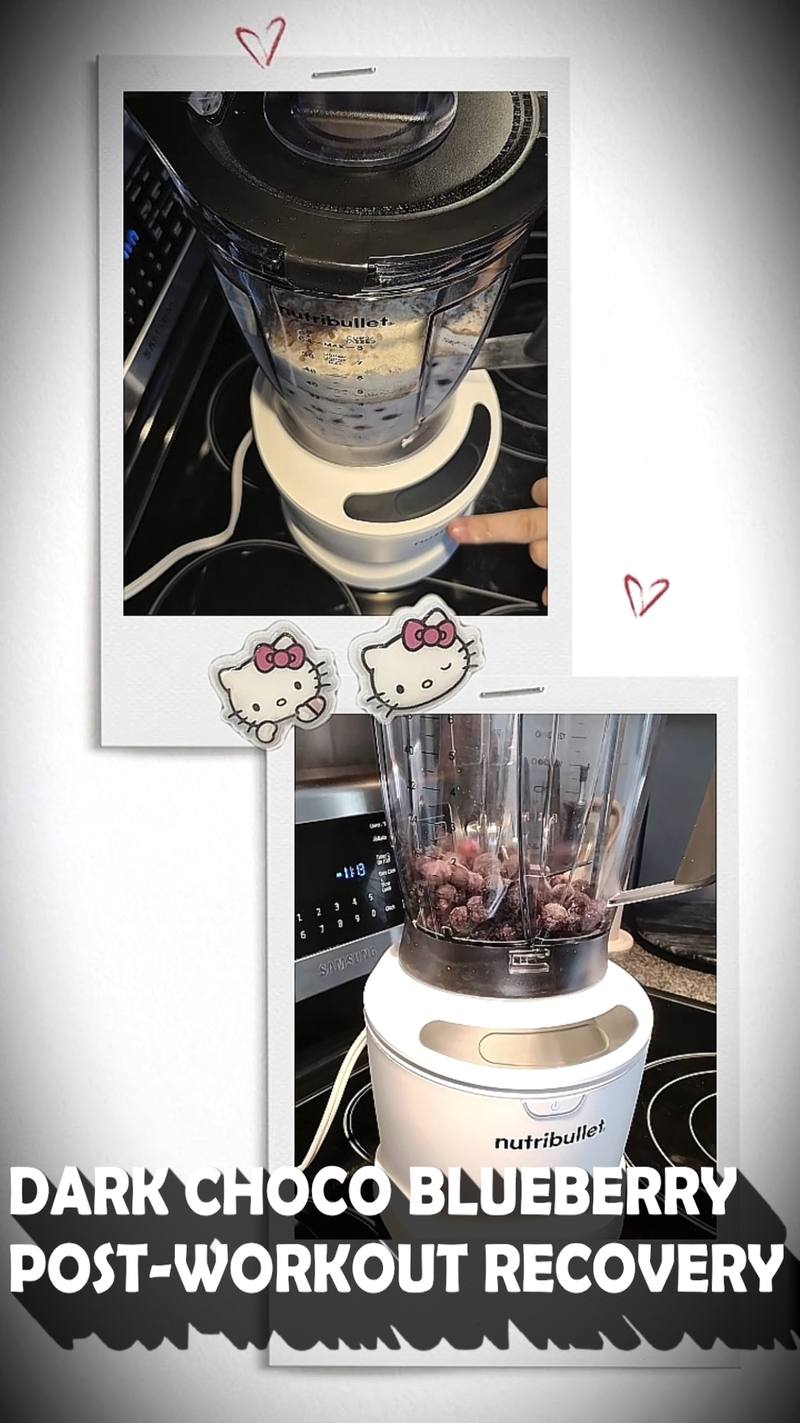
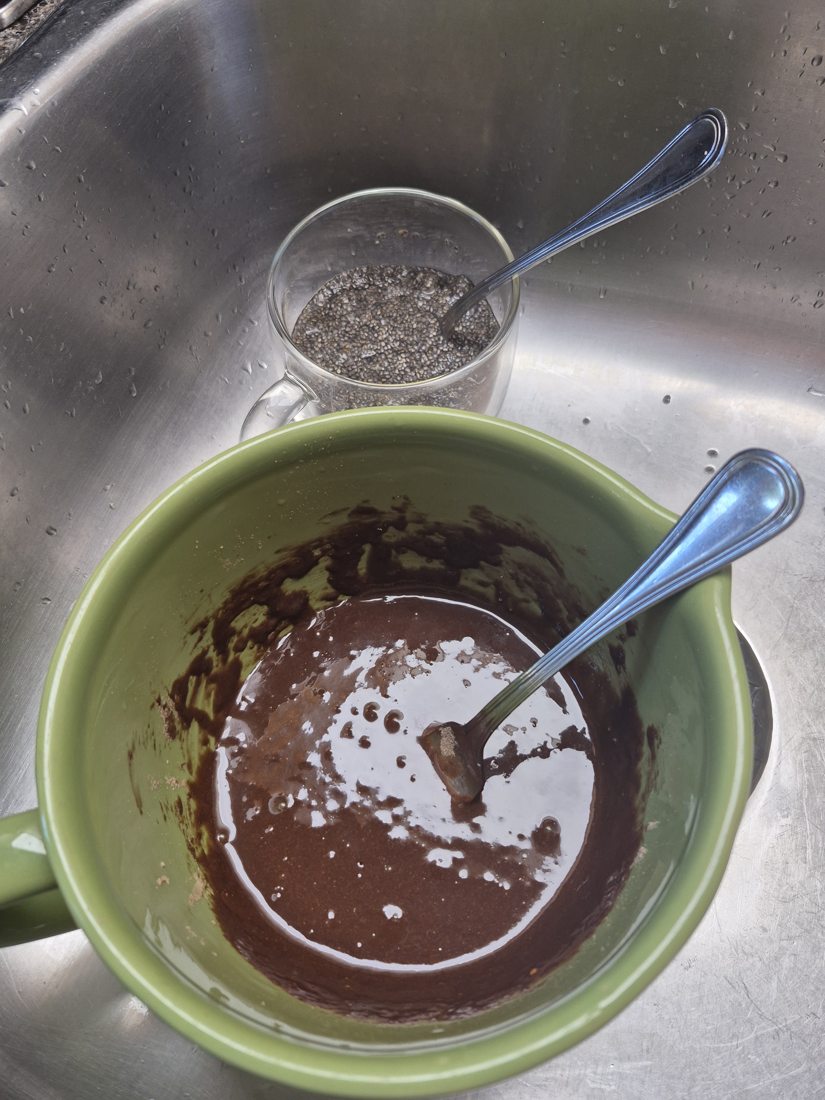
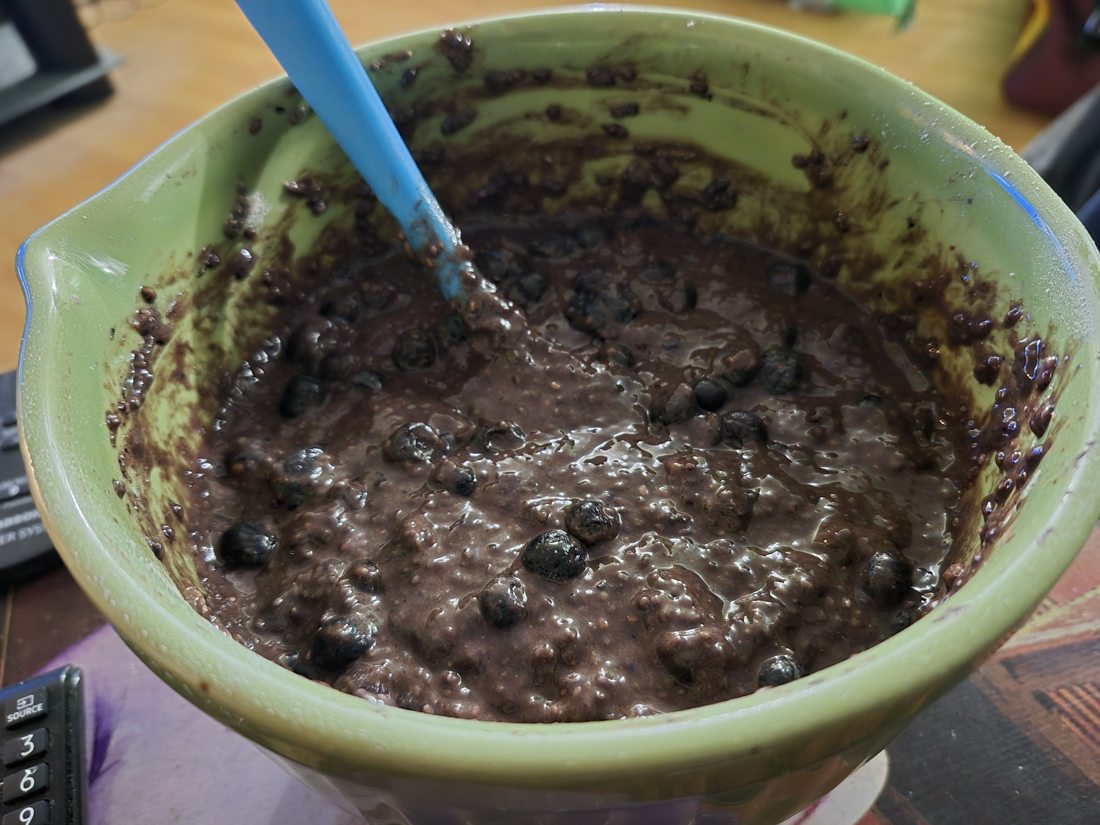
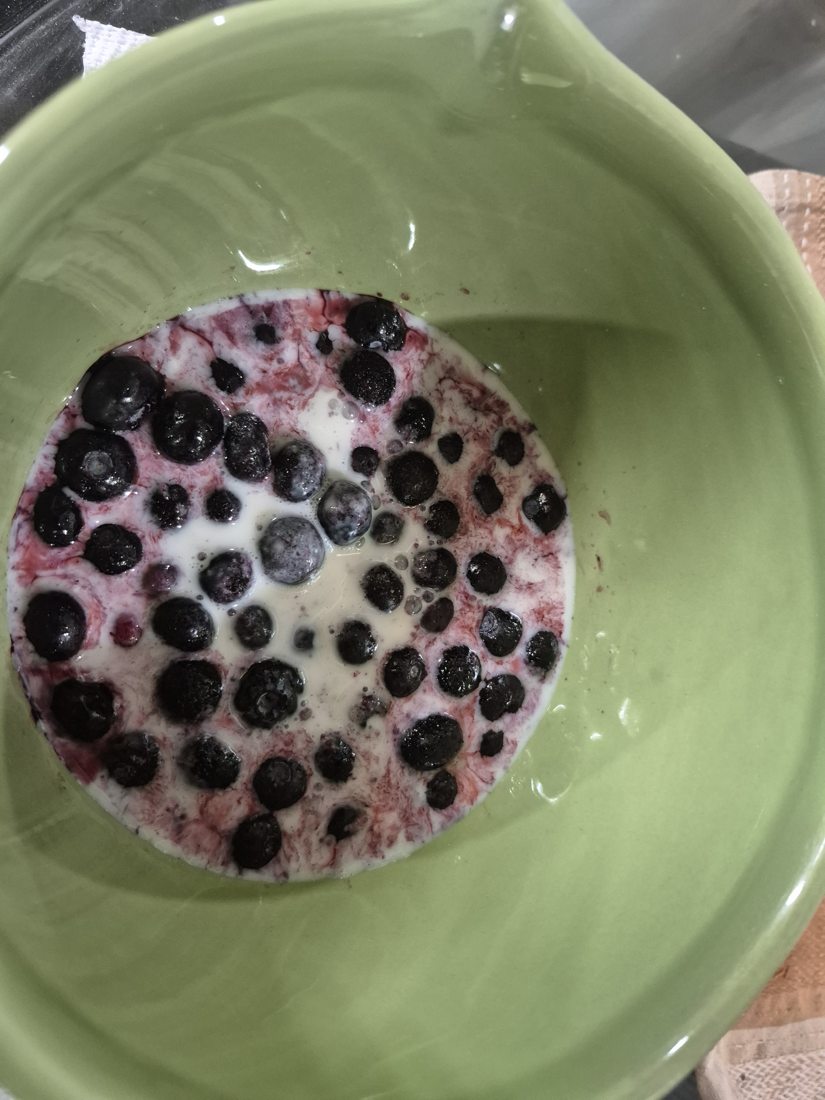
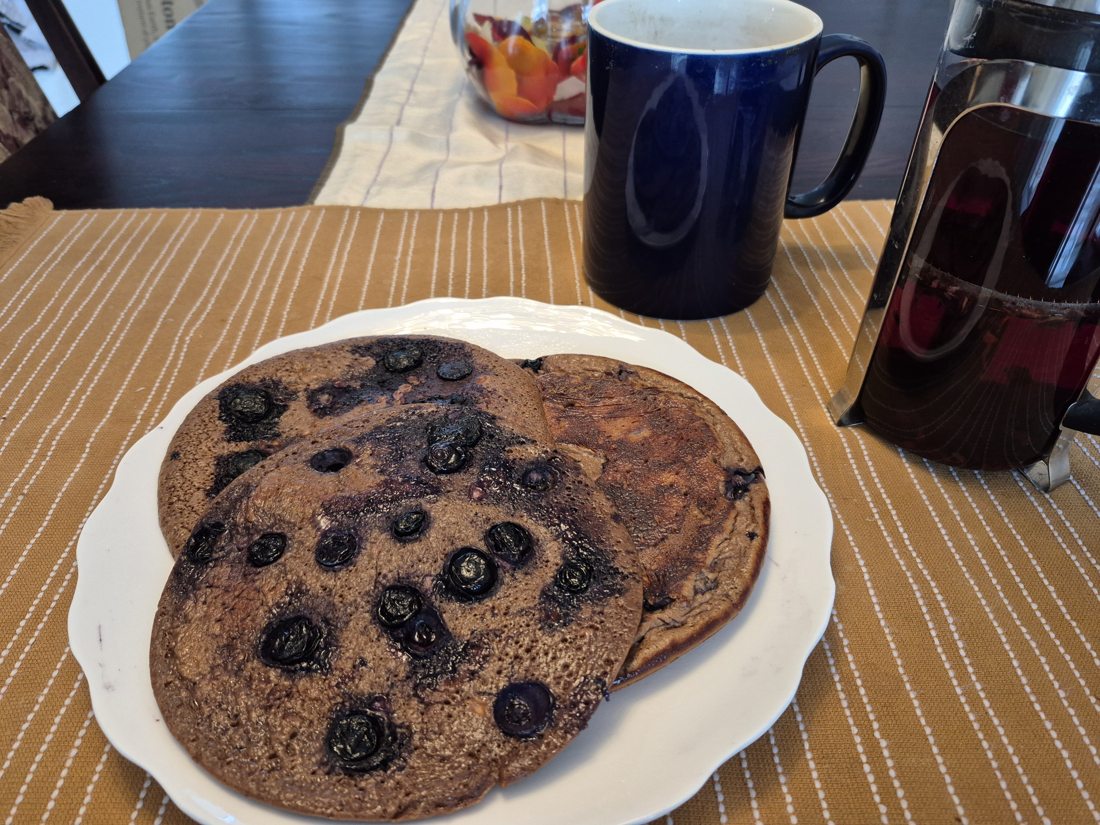
Dark Choco Blueberry Recovery

Dark Choco Blueberry Recovery

Full blend · reel caption stated

kcal
805
g protein
97
g fiber
22
Explore recipe & sources →
Ingredients & preparation
  • 2 cups [500 mL] frozen wild blueberries
  • 3 cups [750 mL] unsweetened almond milk
  • 1/2 cup [125 mL] soaked chia seeds
  • 1/4 cup [62.5 mL] egg white powder
  • 1/8 cup [31.25 mL] raw organic cacao powder
  • 2 scoops ISO GOLD Chocolate protein
  • 1 scoop bovine collagen peptides
  • Pinch pink Himalayan salt
  1. Add almond milk, followed by soaked chia and frozen blueberries.
  2. Add cacao, salt, protein powder, collagen and egg white powder.
  3. Blend on high for 45–60 seconds and serve immediately.

Study portions, labels & estimate uncertainty →

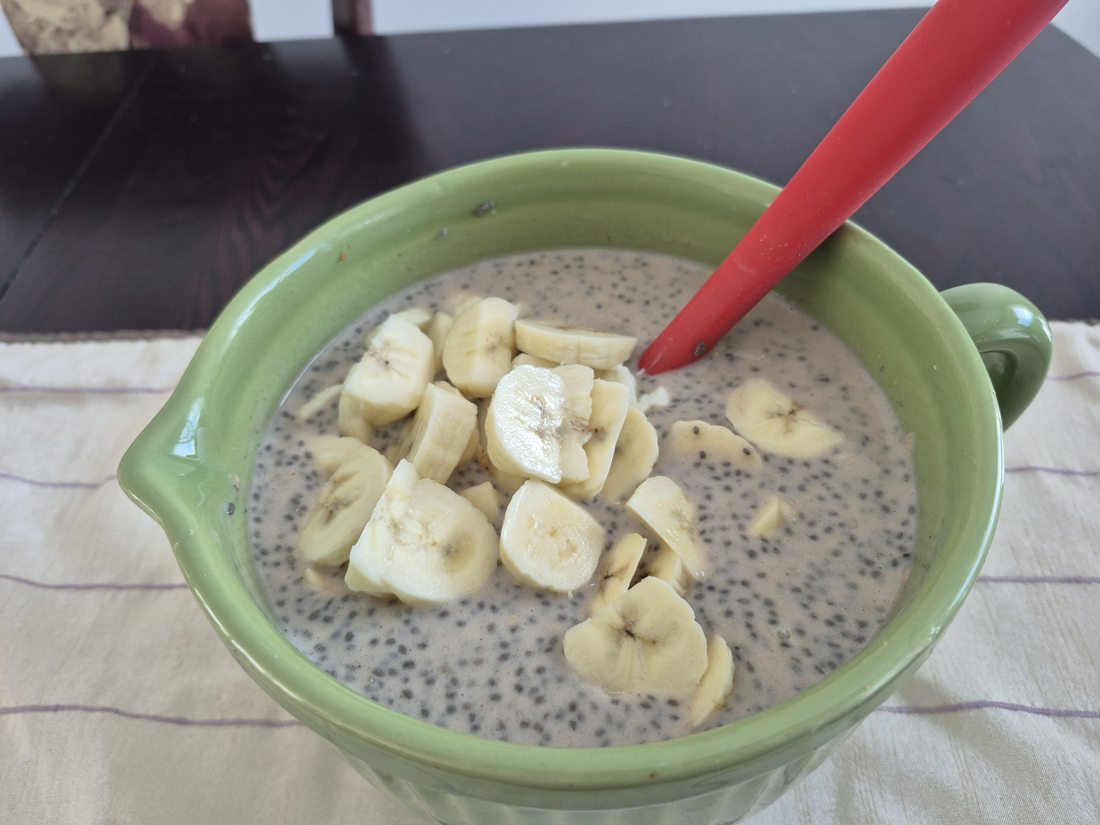
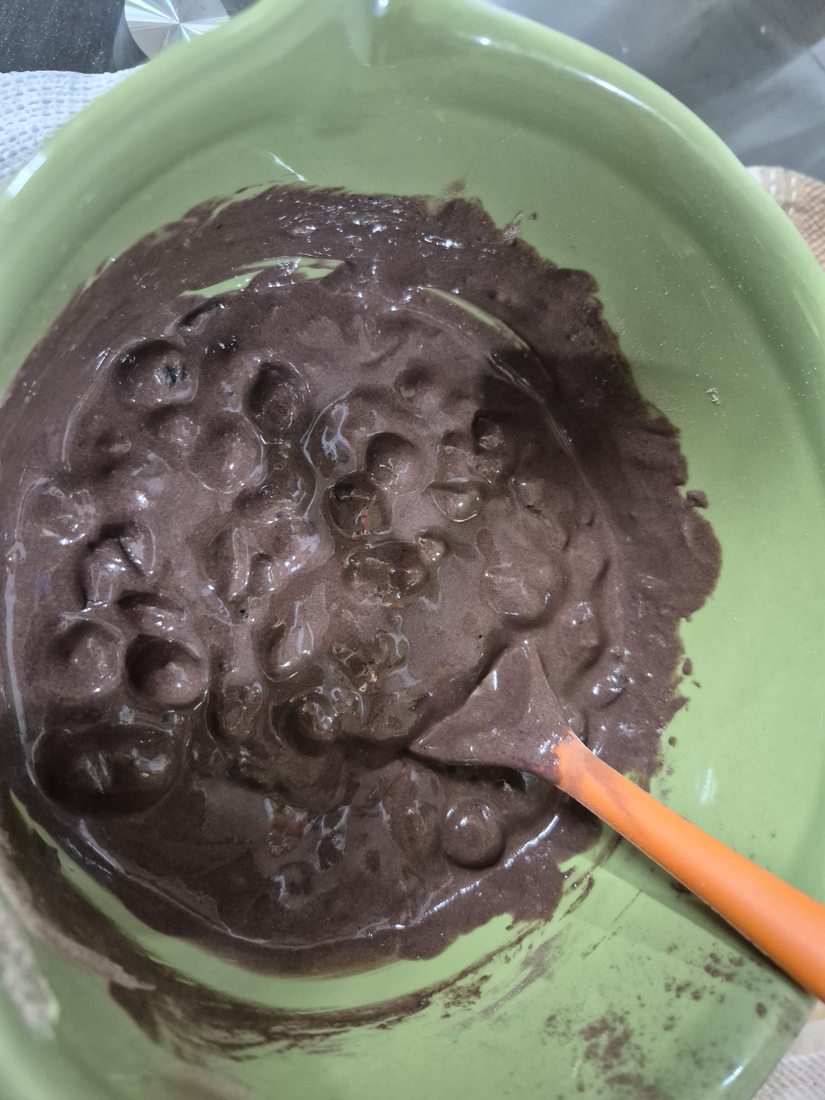
Chocolate & Cacao Fudge Bowl

Chocolate & Cacao Fudge Bowl

Whole bowl usually eaten · owner estimates 80–110 g protein

Explore recipe & sources →
Ingredients & preparation
  • Chocolate protein and cacao — flavor confirmed by the owner; cacao quantity to taste
  • Protein powder — working baseline: 2 scoops, extrapolated from the fudge-jar reel
  • Peanut powder — working baseline: 1/2 cup [125 mL], extrapolated from the fudge-jar reel
  • Almond milk or protein milk, added gradually to reach a thick spoonable texture — recurring options confirmed by the owner
  • Bovine collagen — optional 1 scoop from the related jar baseline; presence in each bowl is inferred
  • Optional small pinch of xanthan gum and pink salt from the jar baseline
  1. Combine the protein, peanut powder and flavor ingredients.
  2. Stir in almond milk or protein milk a little at a time until smooth and thick.
  3. Add optional collagen and a small pinch of thickener only if following the jar baseline.
  4. Eat as a large bowl, or divide into 2–3 ordinary portions. Method and baseline amounts are extrapolated.

Study portions, labels & estimate uncertainty →

Vanilla & Peanut Powder Fudge Bowl

Vanilla & Peanut Powder Fudge Bowl

Whole bowl usually eaten · owner estimates 80–110 g protein

Explore recipe & sources →
Ingredients & preparation
  • Vanilla protein and peanut powder — flavor confirmed by the owner
  • Protein powder — working baseline: 2 scoops, extrapolated from the fudge-jar reel
  • Peanut powder — working baseline: 1/2 cup [125 mL], extrapolated from the fudge-jar reel
  • Almond milk or protein milk, added gradually to reach a thick spoonable texture — recurring options confirmed by the owner
  • Bovine collagen — optional 1 scoop from the related jar baseline; presence in each bowl is inferred
  • Optional small pinch of xanthan gum and pink salt from the jar baseline
  1. Combine the protein, peanut powder and flavor ingredients.
  2. Stir in almond milk or protein milk a little at a time until smooth and thick.
  3. Add optional collagen and a small pinch of thickener only if following the jar baseline.
  4. Eat as a large bowl, or divide into 2–3 ordinary portions. Method and baseline amounts are extrapolated.

Study portions, labels & estimate uncertainty →

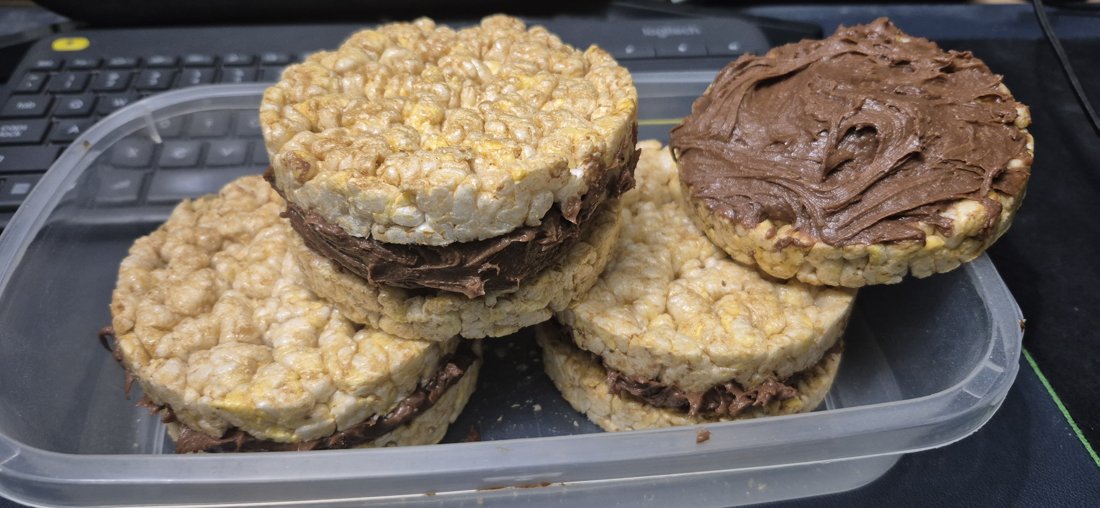
Chocolate Cacao & Peanut Rice-Cake Sandwiches

Chocolate Cacao & Peanut Rice-Cake Sandwiches

Fudge spread variation · owner confirmed; amounts extrapolated

Explore recipe & sources →
Ingredients & preparation
  • Rice cakes — use two for each closed sandwich
  • Chocolate, cacao and peanut powder mixture — confirmed by the owner
  • Chocolate protein powder — inferred from the recurring fudge baseline
  • Almond milk or protein milk — recurring liquid options confirmed by the owner; add gradually for a spreadable texture
  • Optional bovine collagen, pinch of xanthan gum and salt from the related fudge recipe; not confirmed in this photographed batch
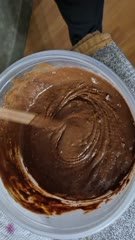
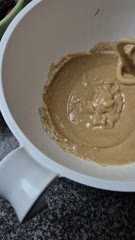
  1. Mix the chocolate protein, cacao and peanut powder. The jar recipe offers a working starting ratio of 2 scoops protein to 1/2 cup [125 mL] peanut powder; amounts for this batch are unmeasured.
  2. Add milk a little at a time until the mixture holds as a thick spread. Use less liquid than a drinkable smoothie.
  3. Spread over one rice cake and top with another; repeat for the quantity you want. Serve soon to keep the rice cakes crisp.

Study portions, labels & estimate uncertainty →

Food matrix

Ingredients · What They Contribute

Explore the foods behind the salads, smoothies, wraps and protein treats. Each ingredient has a main category plus its overlapping nutritional roles.

Protein MatrixEssential amino acids & complementary protein10

Eggs, fish, poultry, meat and protein powders contribute essential amino acids. Collagen has a different profile; portion and the day’s total intake matter more than stacking every source.

Water-packed tunaLean muscle-repair protein

Complete protein · B12

Drained tuna supplies essential amino acids for muscle-protein synthesis. Species and drained can weight change the nutrient totals; the salad cards use representative values and estimated portions.

Grilled chickenAlternative protein anchor

Complete protein · B vitamins

Cooked breast supplies essential amino acids with relatively little fat before oil or marinade. It can replace tuna or accompany other protein foods; include every portion actually used in the bowl.

Boiled eggsProtein + yolk nutrients

Complete protein · choline · fat

Four eggs are used in egg-led bowls without legumes; two are used with mixed beans and lupini. Eggs add protein, fat and choline. They are an addition to the base, not nutritionally equivalent to the same weight of tuna or chicken.

Protein powders · Hexapro & ISO GOLDConcentrated protein

Essential amino acids · convenient protein

The reels name Hexapro in the berries smoothie and fudge, and ISO GOLD in the chocolate-blueberry blend. These supply essential amino acids in a convenient form. Scoop weights and protein content vary by product; a blend does not establish a guaranteed eight-hour effect.

Egg-white powderProtein without the yolk

Complete protein · little fat

The chocolate-blueberry recipe includes egg-white powder. It adds complete protein with little fat. Its powder weight is distinct from the liquid egg whites used in the omelette; use a product intended for the chosen preparation.

Marine & bovine collagenAdditional peptide protein

Peptide protein · different amino-acid profile

The fudge and chocolate-blueberry captions name bovine collagen. Collagen adds protein but has a different amino-acid profile from whey, eggs or milk and should not replace those as the main complete-protein anchor.

Whole eggs & liquid egg whitesComplete protein with adjustable fat

Complete protein · choline

Both savory recipes use eggs; the omelette also includes liquid whites. Whole eggs contribute choline and yolk fat, while whites increase protein with less fat. These meal recipes have their own egg amounts, separate from the salad rules.

Turkey bacon & crispy pork bellySavory protein and fat

Protein · fat · sodium

Turkey bacon appears in the wraps and pork belly in the omelette. Fat and sodium vary with the cut and preparation. Draining rendered fat changes the dish, but does not make pork belly equivalent to lean chicken breast.

Beef steaksProtein, iron and zinc

Complete protein · iron · zinc

The air-fryer reel lists Montreal-seasoned steaks. Beef supplies essential amino acids, heme iron, zinc and B12. Cut, cooked weight and seasoning determine energy, fat and sodium; the reel’s protein ranges are not measurements for every plate.

Chicken breasts, legs, wings & cutletsDifferent poultry options

Complete protein · variable fat

The reel lists tandoori/lemon-pepper breasts, whole legs, wings, tenders and cutlets. Poultry contributes protein and B vitamins, but skin, breading and cut change the fat and carbohydrate content. Air frying is a preparation method, not proof that every option is low fat.

Fats & EnergyUnsaturated fats, texture & energy density3

Avocado, olive oil, chia and peanut ingredients contribute fats in different proportions. Oils are concentrated energy sources; chia and peanut foods also bring fiber or protein.

Olives, avocado & dressing oilsFlavor + energy-dense fats

Mostly unsaturated fat · energy

Olives, avocado, avocado oil and extra-virgin olive oil supply fat and help make the meal satisfying. The Heavy dressing uses avocado and avocado oil; the Light dressing uses olive oil with balsamic glaze. Dietary fat supports absorption of fat-soluble nutrients; oil contributes much more energy per spoon than leafy vegetables.

Study portions, labels & estimate uncertainty →

Chia seeds · soakedFiber, gel texture and plant fats

Fiber · ALA fat · gel texture

The chocolate-blueberry blend includes soaked chia. Chia supplies fiber and the plant omega-3 ALA; hydration produces the thick gel texture. Half a cup [125 mL] of soaked gel does not mean half a cup [125 mL] of dry seeds, so dry seed weight is needed for nutrition totals.

PB&Me powdered peanut butterPeanut flavor and plant protein

Plant protein · peanut flavor

PB&Me appears in the berries smoothie and chocolate fudge. Removing much of the peanut oil creates a powder with a different fat-to-protein balance from regular peanut butter. Chocolate varieties can have different sugar and calorie values.

Carbohydrates & FuelFruit, tortillas & mixed meal energy3

Fruit, legumes, tortillas and meal coatings contribute carbohydrate. Sources differ in sugars, starch and fiber, so complex carbohydrate is not a label for every item in this group.

Berries & wild blueberriesFruit, fiber and plant pigments

Carbohydrate · fiber · plant pigments

The berries smoothie, chocolate-blueberry blend and fudge topping use berries. They add carbohydrate, fiber and anthocyanin pigments. Whole blended berries retain their fiber; blending is different from straining juice.

Protein & high-fiber tortillasPortable meal base

Carbohydrate · fiber · some protein

The wraps reel names POM Protein tortillas; the omelette names Bon Matin Keto tortillas. They hold the filling and contribute carbohydrate, fiber and some protein. Their added fiber and portion size determine the totals; the word keto alone does not describe the whole meal.

Ribs, fish & spring rollsMixed meal options

Protein · carbohydrate · variable fat

The air-fryer menu also includes ribs and crispy fish with spring rolls. Ribs contribute protein and fat; fish contributes protein, with omega-3 content depending on species. Rolls and coatings add carbohydrate and oil. These items have different roles and should be accounted for individually.

Fiber & DigestionLegumes, cereal & meal structure4

Beans, lupini, chia, berries and bran add different fiber types. Their food structure and fluid content affect texture and digestive comfort; toppings and thickeners have separate roles.

Six-bean blendCarbohydrate + plant protein

Plant protein · carbohydrate · fiber

Mixed legumes supply starch for energy, plant protein and fiber. Half versus a full can changes the meal substantially; use drained weight and the package label.

Lupini beansProtein-rich legume layer

Plant protein · fiber

Lupini contributes a different protein-to-carbohydrate balance from the mixed-bean base. Use commercially prepared edible lupini, rinsed and drained, for the recorded half-cup [125 mL] addition.

All-Bran BudsFiber-rich topping and crunch

Fiber · carbohydrate · crunch

The fudge reel lists All-Bran Buds with frozen berries. The cereal adds fiber and texture, plus carbohydrate. Count the amount added to the batch and how it is divided between jars; it is not interchangeable with plain oats.

Xanthan gum & Himalayan saltTexture and seasoning

Thickening · sodium seasoning

The fudge recipe uses a pinch of each; the chocolate-blueberry blend also lists salt. Xanthan thickens the mixture, while salt adds sodium and taste. Pink color does not turn salt into a balanced potassium/magnesium electrolyte source.

Dairy & CalciumMilk protein, calcium & alternative bases4

Feta, cheddar and protein milk provide dairy protein and calcium. Almond beverage and tofu spread are included for comparison: their protein and calcium depend on the actual product.

Goat/cow-milk fetaDairy protein + calcium

Dairy protein · calcium · fat · sodium

Feta adds dairy protein, calcium, fat and salt. The milk blend and brine vary by product; a half-cup [125 mL] volume can vary in weight depending on crumbling and packing.

Unsweetened almond milkBlending liquid

Fluid · fortified nutrients where present

The chocolate-blueberry reel records 3 cups [750 mL]. It adds fluid and texture but is generally a modest protein source. Calcium and vitamin D depend on fortification; shake the carton and check its label rather than counting it as equivalent to dairy protein milk.

Ultra-filtered protein milkDairy protein, fluid and calcium

Complete protein · calcium · fluid

The fudge recipe names Neilson protein milk. It contributes whey/casein protein and calcium, alongside milk fat and remaining carbohydrate. Use the actual milk label; almond beverage and ultra-filtered dairy milk are different nutritional bases.

Old cheddar & tofu spreadFilling flavor and texture

Protein · calcium · creamy texture

The wrap caption names old cheddar and Fontaine Santé tofu spread. Cheddar contributes protein, calcium, fat and sodium; the spread adds creamy texture and its own soy-based nutrient mix. Use each product’s serving label to account for the meal.

Plant Micronutrients & FlavorVegetables, cacao & food pairings6

Leafy greens, colorful vegetables, berries and cacao broaden the micronutrient and plant-compound mix. Seasonings add flavor; pickled and salted ingredients also affect sodium.

Romaine, kale & spinachVolume + leaf micronutrients

Fiber · folate · vitamin K

Water and fiber build the bowl’s volume. Leafy greens contribute folate, vitamin K and carotenoids; kale and spinach vary the micronutrient matrix.

Bell pepper, cucumber & tomatoCrunch + vitamin C

Vitamin C · water · plant compounds

Pepper contributes vitamin C, which improves absorption of plant-derived nonheme iron. Cucumber contributes water and crunch; tomato adds another vegetable and carotenoid layer.

Pickled beets & red cabbageColor + different plant compounds

Fiber · plant pigments

Beets contribute betalain pigments; red cabbage contributes anthocyanins. Pickled beets are not a standardized sports-nitrate product, and sweetened brine changes carbohydrate.

Raw cacaoChocolate flavor and food minerals

Fiber · magnesium · flavor

Cacao appears in the chocolate-blueberry blend. It adds cocoa flavor, fiber and minerals such as magnesium. Flavanol content varies with processing; this recipe does not establish a measured nitric-oxide or recovery effect.

Romaine, pickled turnips & onionVegetable texture and flavor

Vegetable variety · sodium in brine

The wraps use romaine and Cedar pickled turnips; the omelette includes yellow onion. These add vegetable variety. Pickling does not guarantee live probiotics, and brine adds sodium; cooking oil is counted separately from the onion.

Sriracha & savory drizzlesSeasoning

Flavor · label-dependent sodium

The wrap reel names Huy Fong Sriracha; the omelette lists a no-added-sugar savory drizzle. These add flavor, with sodium and other ingredients determined by the label. No added sugar does not establish zero calories or a metabolic benefit.

Useful ingredient interactions

Macro synergy — protein + legumes: tuna, chicken, eggs or dairy provide essential amino acids; beans add carbohydrate fuel, fiber and additional protein. Recovery depends on the day’s total intake and training load.

Pepper + plant iron: vitamin C helps absorption of nonheme iron from plant foods. This is a food pairing, not a treatment for iron deficiency.

Vegetables + fat: avocado, oil, olives and feta provide fat alongside fat-soluble nutrients. More oil increases energy; it is not required to keep adding oil for the pairing to work.

Rinsing + brine: draining and rinsing beans, lupini and brined ingredients can reduce some surface salt; the remaining sodium depends on the product. Feta, olives and pickles still contribute to the meal’s salt.

Recipe sources & nutrition references

Ingredient identities come from the linked reel captions; food roles are summarized separately from their published performance claims. Caption quantities and macros have not been independently verified against every package label.

Study portions, labels & estimate uncertainty →

NIH: vitamin C and plant-iron absorption

POJECT · HISTORICAL PLAN

The recorded fuel plan

HISTORICAL PLAN · WHOLE-DAY INTAKE UNVERIFIED

  • 2,780kcalHistorical energy plan
  • 252gHistorical protein plan
  • ~288gHistorical carbohydrate estimate
  • 69gHistorical fat plan
  • 30 – 40gDaily fiber
  • 4.0LDaily total fluid
  • 100lbSMM goal
  • <15%Body-fat goal
Basis & limitations
Historical energy plan
Historical reference · whole-day intake unverified
Historical protein plan
Historical plan · intake unverified
Historical carbohydrate estimate
Derived historical estimate; not measured intake
Historical fat plan
Historical plan; actual intake unverified
Daily fiber
Recorded general target range
Daily total fluid
Water + vectors + tisane
SMM goal
Skeletal muscle mass
Body-fat goal
Recorded Project 100 goal
  • Historical planning references, separate from measured intake.
  • Whole-day intake is unverified.
  • Carbohydrate is derived from the old plan; 4 L is a reported fluid reference, not a prescription.
  • View the recorded plan →
NEXT / REFERENCE

Explore the food record

Current manuals

Published meal records · 24 October

11 harvested meal records

Caption-reported figures from the 6 October Instagram harvest, as published on 24 October. Keep the stated serving basis; these are not verified whole-day totals. No missing values are invented.

RecordReported macros / serving basisRecorded ingredients
Protein Fudge Matrix706 kcal · 73.7 g P · 83 g carbohydrate · 30.5 g fibre (52.5 g net) · 15.3 g fatHexapro 2 scoops / 88 g (50 g P), frozen berries 1 cup / 140 g, peanut powder 1 scoop / 13 g, bovine collagen 1 scoop / 10 g, All-Bran Buds ½ cup / 45 g, cocoa and almond milk. Hexapro scoop conflict remains unresolved.
Anabolic Chocolate PB Fudge JarsPer 16 oz / 473 mL jar: 441 kcal · 50.4 g P · 10.7 g fibre · 31.4 g net carbohydrate · 10 g fat. Makes 2 jars.2 scoops Hexapro Chocolate, 1 scoop bovine collagen, ½ cup PB&Me chocolate powdered PB, 1 cup / 240 mL Neilson 3.25% protein milk, xanthan and pink salt; toppings: ½ cup berries and ⅓ cup All-Bran Buds.
Protein Berries SmoothieWhole blend: 1,110 kcal · 136 g P · 86 g carbohydrate (60 g net) · 26 g fibre · 24 g fatCaption protein contributions: Hexapro 50 g P, PB&Me 48 g P, UltraPur 20 g P, bovine collagen 10 g P and base 8 g P. These are protein contributions, not independently verified ingredient weights.
Choco Blueberry Recovery805 kcal · 97 g P · 65 g carbohydrate (43 g net) · 22 g fibre · 19.5 g fat2 cups / 480 mL wild blueberries, 3 cups / 720 mL almond milk, ½ cup soaked chia, ¼ cup egg-white powder, ⅛ cup cacao, 2 scoops IsoGold chocolate, 1 scoop bovine collagen and pink salt.
Carnivor OmeletteWhole plate: 1,240 kcal · 106 g P · 24 g net carbohydrate · 34 g fibre · 68 g fat12 crispy pork-belly strips (lard drained), 3 eggs and 1 cup / 240 mL egg whites, sautéed onion, 2 Bon Matin keto tortillas and no-added-sugar drizzle.
Chicken & Bean Mega Salad1,025 kcal · 110.5 g P · 66 g carbohydrate (38 g net) · 28 g fibre · 37 g fat280 g grilled chicken breast (88 g P), 1 cup mixed beans, 150 g avocado dressing, beets and kale.
Egg & Dual-Feta Mega Salad1,100 kcal · 64 g P · 60 g carbohydrate (43 g net) · 17 g fibre · 68.5 g fat5 boiled eggs, 100 g goat/cow feta, 1 cup mixed beans, romaine, peppers, cucumber and olive oil.
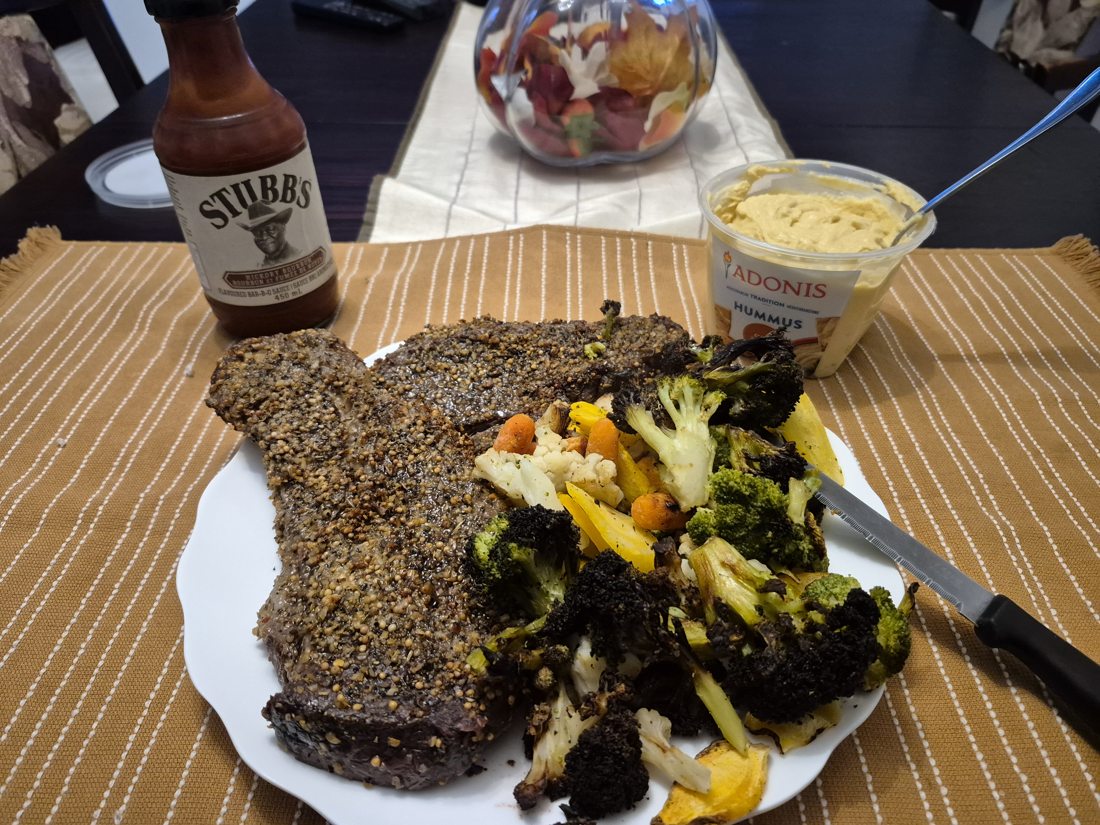
Anabolic Red Meat MatrixApproximately 110 g protein; no full macros harvested.Two bone-in T-bone steaks, kimchi, dill pickles and no-added-sugar BBQ sauce.
Artisan Protein Wraps3 wraps: 1,195 kcal · 94 g P · 64 g carbohydrate (30 g net) · 34 g fibre · 62 g fatPOM protein tortillas, hard-boiled eggs, turkey bacon, cheddar, tofu spread and pickled turnips.
High Protein TiramisuPer serving: 310 kcal · 33 g P.Almonds, quark, skyr and whey, as captioned. No other quantities invented.
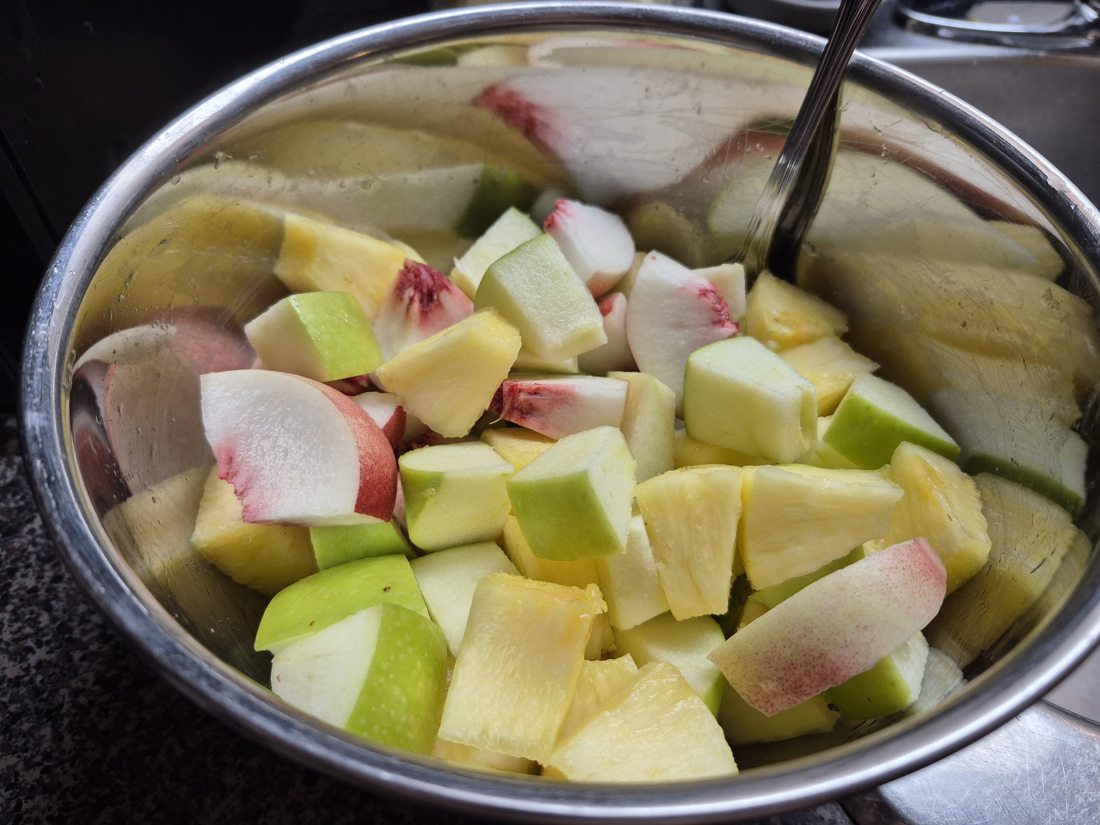
Post-Workout Dual Recovery MatrixNo macros harvested.Kiwi, pear, cantaloupe and honeydew plus a mega salad of red cabbage, romaine, peppers, tomato, cucumber, beans, feta and avocado oil.
5 highlight meals and saved protein reference
Highlight mealReported macrosRecorded contents
Protein wraps ×41,645 kcal · 121 g P · 85 g carbohydrate · 16 g fibre · 93 g fat4 wraps, as captioned
Reload omelette685 kcal · 71 g P · 26 g carbohydrate · 32 g fat3 eggs, 1 cup / 240 mL whites, ½ cup 3% milk, 6 turkey pepperoni and onion
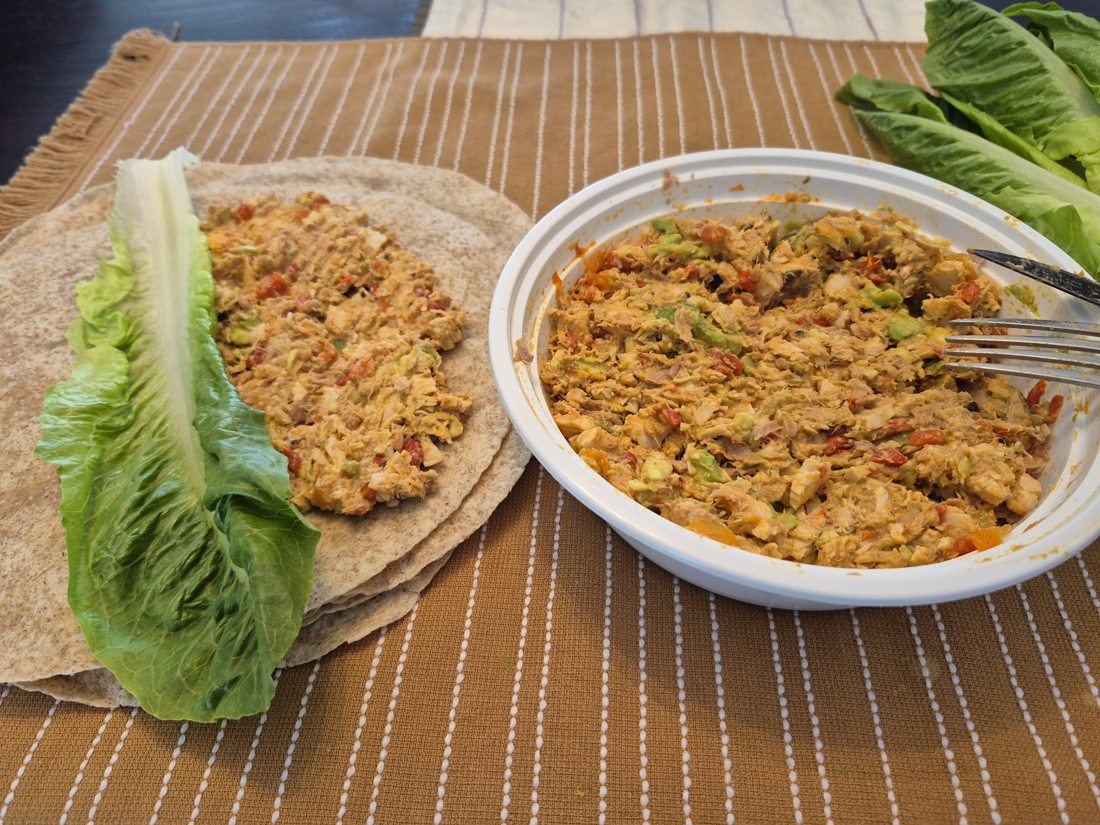
Tuna nutri bowlNo macros harvested3 tuna cans
Rest-day blue cheese omeletteNo macros harvestedAs captioned
Anabolic recovery bowl1,394 kcal · 67.3 g P · 36.7 g net carbohydrate · 35.9 g fibre · 82.1 g fat (52 g MUFA)Caption-reported figures; not recalculated

Protein reference · per 6 oz / 170 g

Values carried from the saved post, not a new laboratory or food-database calculation.

FoodReported protein
Elk51 g
Octopus50 g
Pork tenderloin45 g
Venison44 g
Clams44 g
Mussels41 g
Shrimp41 g
Bison40 g
Halibut38 g
Crab38 g
Scallops35 g
Oysters32 g
Lobster32 g

Guidebook V3.7 · harvested records · Encyclopedia V3.6 · complete record

POJECT / DOCUMENT LIBRARY

Books & manuals